- Overview
- Trip Includes
- Trip Excludes
- Gallery
- Reviews
- FAQ
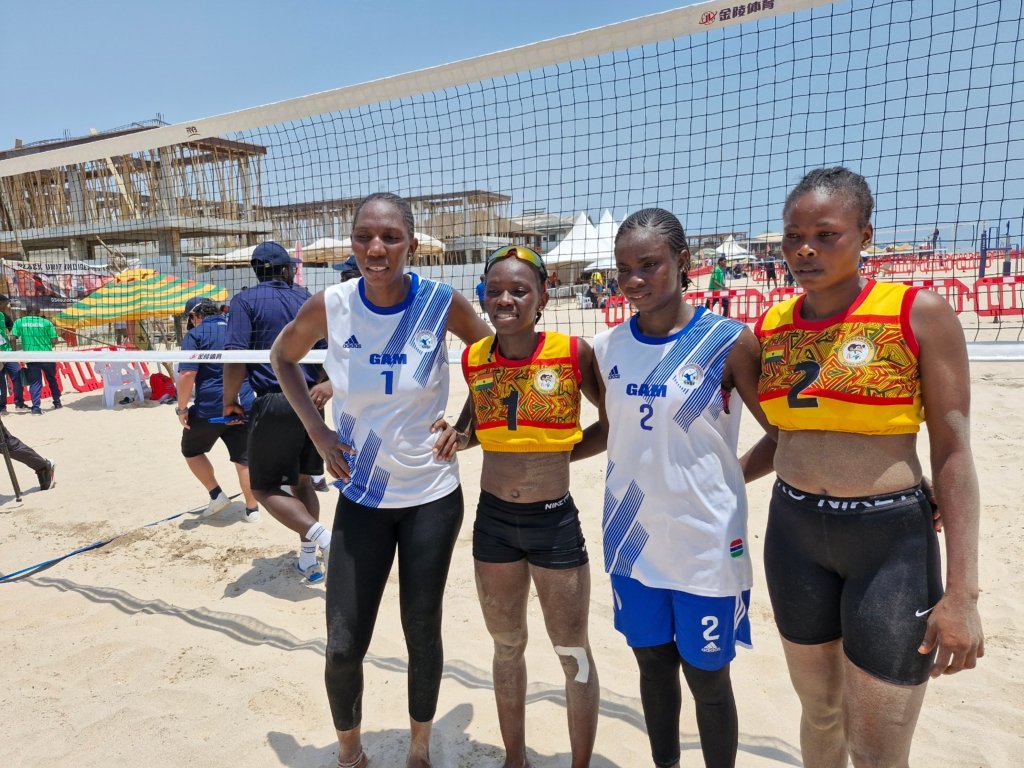
Volleyball is a growing community game in Ghana, commonly played in schools, community parks, and during local events. It is a team sport that requires minimal equipment—just a ball, a net, and an open space—making it easy for communities to organize matches. As a non-contact game, volleyball is enjoyed by both males and females, making it more inclusive compared to some other traditional community sports.
In many communities, volleyball serves as a recreational activity that brings people together, whether as active players or cheering spectators. It encourages teamwork, communication, and cooperation, since success depends on the coordination of all team members. This makes it not just a physical activity but also a social tool that fosters unity and understanding among participants.
Volleyball also plays an important role in developing physical fitness. It improves agility, strength, and endurance while promoting discipline and healthy competition. Matches are often organized during school competitions, festivals, or neighborhood tournaments, providing both entertainment and opportunities for young players to showcase their skills.
Although not as widespread as football, volleyball is gaining recognition as a valuable community game that strengthens bonds, promotes inclusivity, and nurtures talent at the grassroots level.
-
Includes ✅
-
Both genders – Volleyball is often played by both males and females, especially in schools and communities, making it more inclusive than some games.
-
Spectators and cheerers – Even those not playing can gather to cheer, clap, or encourage teams, adding to the fun.
-
Teamwork and cooperation – Everyone on the team is valued since winning depends on collective effort, not individual skill alone.
-
Accessibility – It requires only a ball, a net (or rope tied between poles/trees), and space, so communities can improvise and still enjoy.
-
Physical fitness – It includes people who want to stay active and build strength, endurance, and coordination.
-
School and community spirit – Volleyball is included in many inter-school competitions and festivals, strengthening unity.
-
Excludes ❌
-
Communities without space or equipment – Places with no net, ball, or flat ground may be excluded from enjoying the game.
-
People with physical limitations – Those with injuries or disabilities that limit jumping or movement may be excluded from active play.
-
Less popular than football – Some communities exclude volleyball as an option simply because football dominates community sports culture.
-
Economic barriers – While basic, a proper net and good ball may be hard to afford in poorer areas, excluding them from organized matches.
-
Unequal participation – In some rural areas, volleyball may still be seen as more of a “school” game, which can exclude adults or those outside school systems.
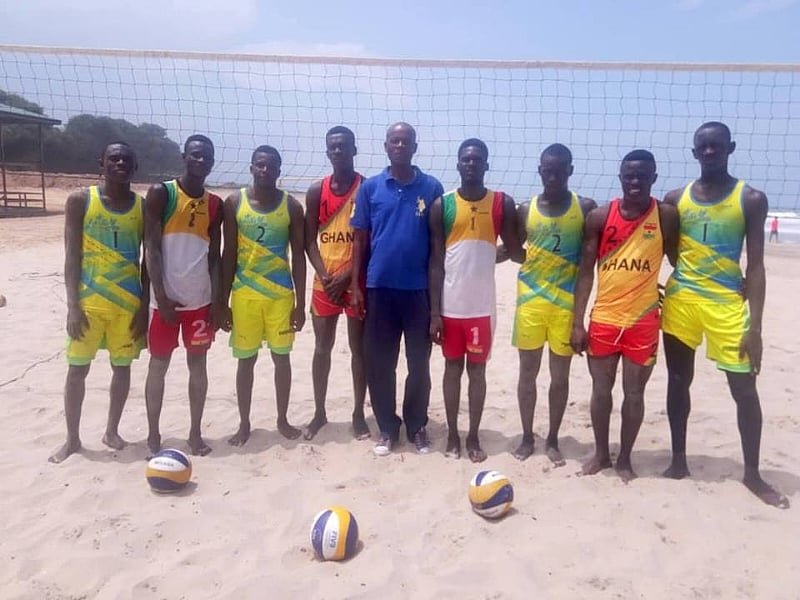
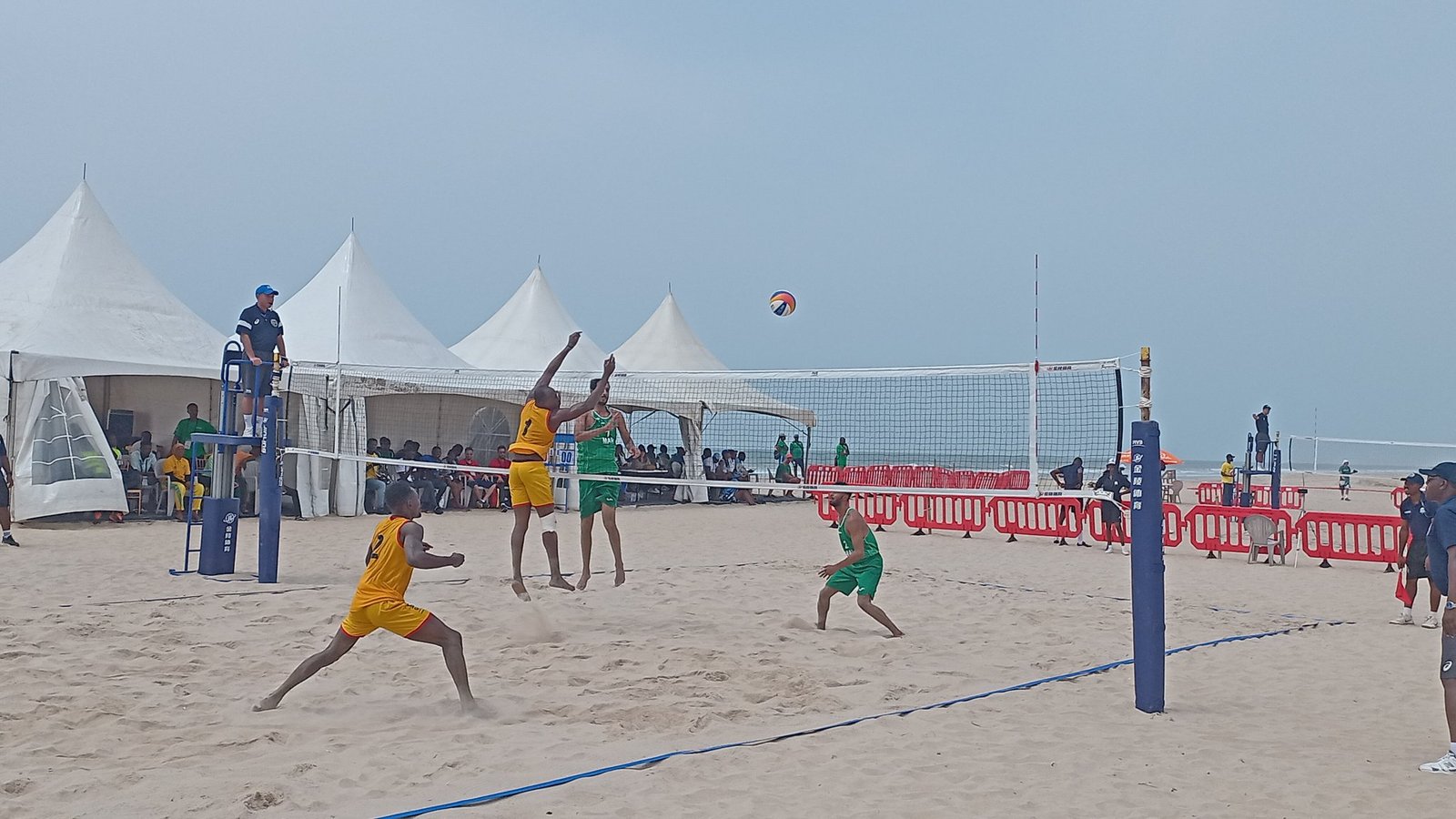
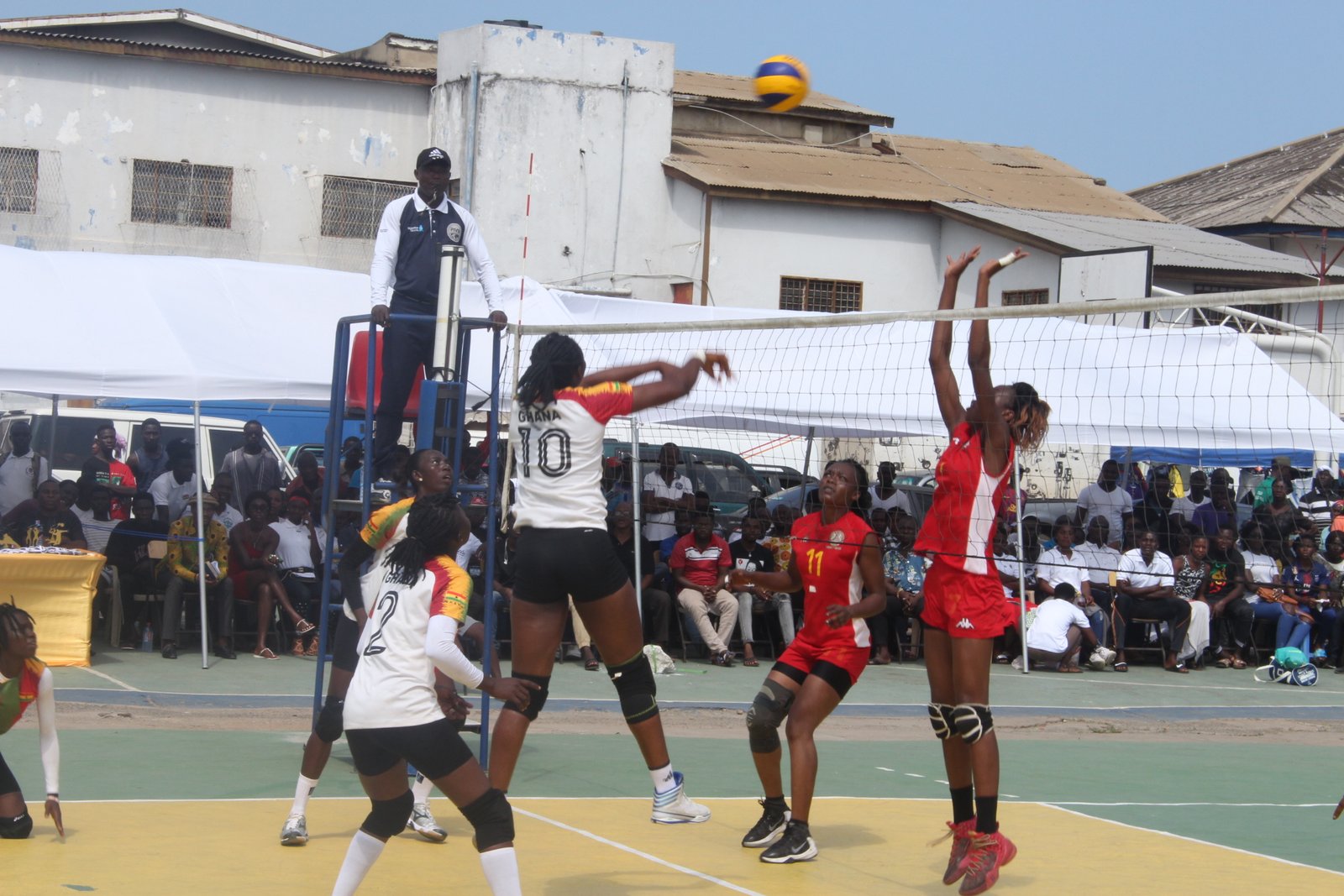
Volleyball is played because it is fun, easy to organize, and promotes teamwork, fitness, and unity among community members.
It is mostly played in schools, community centers, beaches, and open fields. During festivals or local events, temporary courts are often set up.
The main requirements are a ball, a net (or rope), and open space. Communities often improvise with locally available materials.
Both males and females, young and old, can participate. It is one of the few community games that actively includes both genders.
It encourages teamwork, builds social bonds, improves physical fitness, and creates a lively recreational atmosphere for players and spectators alike.
Yes. Challenges include lack of proper nets and balls, limited open spaces in some areas, and the fact that football often overshadows volleyball in popularity.
Yes. Talented players discovered in schools and communities often advance to district, regional, or national levels through organized competitions.
Spectators cheer, clap, and sometimes drum or sing, turning matches into exciting social events that bring the community together.
There are no reviews yet.