- Overview
- Trip Outline
- Trip Includes
- Trip Excludes
- Gallery
- Reviews
- Booking
- FAQ
The Western Region of Ghana presents a unique opportunity to experience the country’s coastal charm, rich heritage, and natural beauty in one destination. Located along the Atlantic coastline, this region is celebrated for its golden sandy beaches, historical forts, vibrant fishing towns, and lush landscapes. A trip here offers a balance of relaxation and exploration, making it an ideal choice for both leisure seekers and cultural enthusiasts.
Travelers can unwind at Busua, Butre, and Axim beaches, widely recognized for their tranquility, surfing potential, and scenic sunsets. The coastline is dotted with significant historical sites such as Fort Metal Cross in Dixcove and Fort St. Anthony in Axim, which provide insight into Ghana’s colonial past and role in the trans-Atlantic trade. Beyond the beaches, visitors encounter welcoming coastal communities, fresh seafood cuisines, and lively cultural traditions that reflect the resilience and warmth of the Ghanaian people.
Nature lovers will also find rewarding experiences in the Western Region, from palm-fringed hiking trails to opportunities for eco-tourism and marine exploration. Combined with its rich history, culinary delights, and picturesque views of the Gulf of Guinea, the Western Region stands out as a must-visit destination for anyone seeking a broad and authentic Ghanaian experience.
Trip Type:
Cultural, Historical, Nature & Beach Leisure
Duration:
3 Days (extendable to 5–7 days)
Destinations & Highlights:
-
Busua & Butre Beaches – relaxation, surfing, sunset views
-
Axim Beach & Resort – leisure, fresh seafood, coastal culture
-
Fort Metal Cross (Dixcove) – colonial history & heritage
-
Fort St. Anthony (Axim) – one of the oldest European forts in Ghana
-
Takoradi – vibrant coastal city, local markets, fishing harbor
-
Eco & Community Tours – canoe rides, coconut groves, local crafts
Activities:
-
Beach relaxation & surfing lessons
-
Guided tours of colonial forts
-
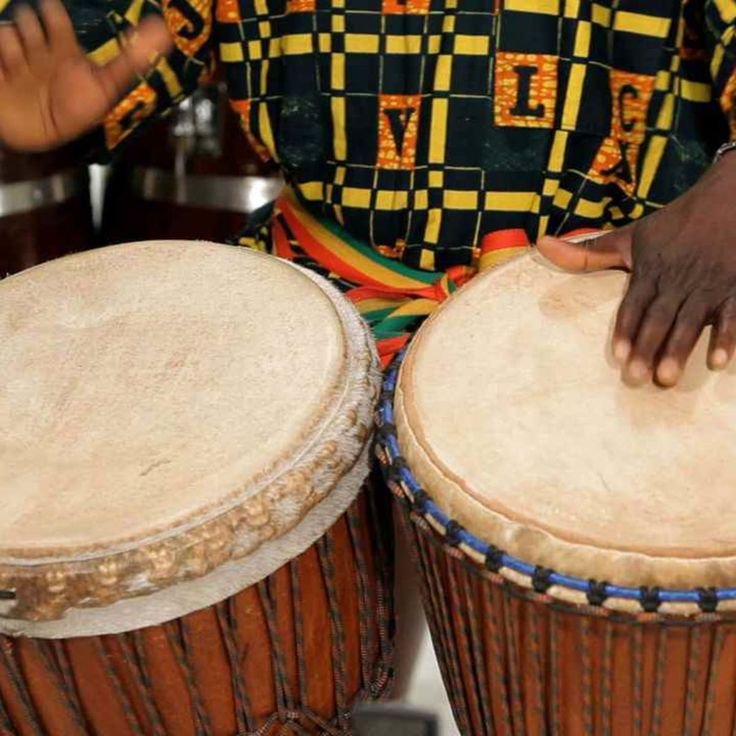
Cultural performances (music, dance, storytelling)
-
Local cuisine experiences (seafood specialties)
-
Eco-walks and village interactions
Outline Flow (3 Days):
-
Day 1: Arrival → Busua Beach leisure → Sunset & seafood dinner
-
Day 2: Heritage forts (Dixcove & Axim) → Local culture → Beach resort evening
-
Day 3: Adventure activities (surfing, canoe rides, eco-walk) → Shopping → Departure
Itineraries
Day 1
Date : September 9, 2026
Time : 5:00 am
Arrival & Coastal Exploration
-
Morning: Depart Accra and travel to the Western Region (approx. 4–5 hours by road).
-
Afternoon: Arrive in Busua. Check in at a beachfront resort and enjoy a welcome lunch with fresh seafood.
-
Evening: Leisure walk along Busua Beach, watch the sunset, and experience local drumming or storytelling by the shore.
Day 2
Date : September 11, 2026
Time : 5:00 am
Heritage & Culture
-
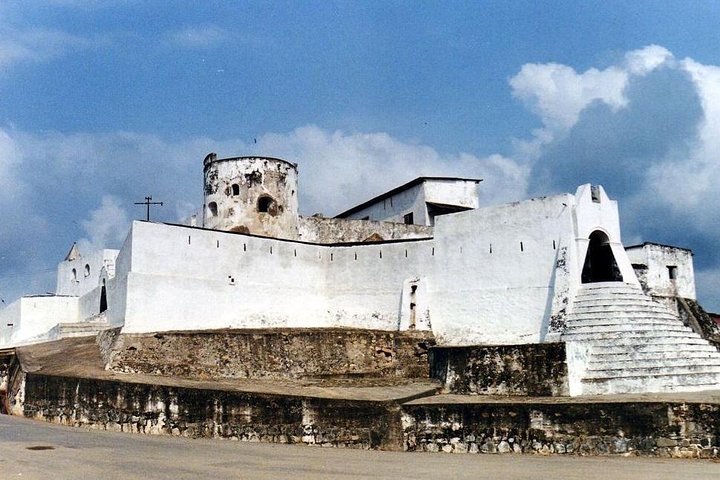
Morning: Guided visit to Fort Metal Cross in Dixcove to explore Ghana’s colonial and trading history.
-
Midday: Continue to Fort St. Anthony in Axim, one of the oldest European forts in Ghana.
-
Afternoon: Lunch in Axim with authentic Ghanaian dishes.
-
Evening: Relaxation at Axim Beach Resort with optional cultural performance showcasing local dance and music.
Day 3
Date : September 12, 2026
Time : 5:00 am
Adventure & Departure
-
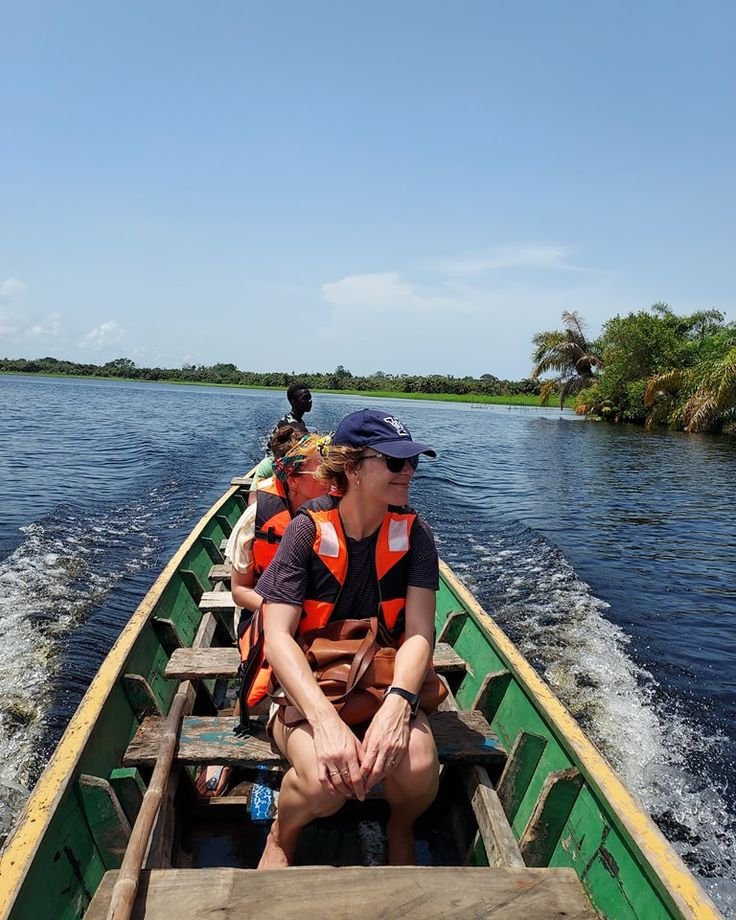
Morning: Enjoy optional activities such as surfing lessons at Busua Beach, a canoe ride with local fishermen, or a short eco-walk through nearby coconut groves.
-
Midday: Farewell lunch at a seaside restaurant.
-
Afternoon: Free time for shopping for local crafts and souvenirs.
-
Evening: Departure back to Accra.
✅ Trip Includes:
-
Accommodation (beach resort / hotel – twin or double occupancy)
-
Daily breakfast, selected lunches & dinners (local & continental options)
-
Guided tours of Fort Metal Cross and Fort St. Anthony
-
Entrance fees to all mentioned attractions
-
Cultural performance (music & dance)
-
Beach activities (sunset walk, leisure time)
-
Professional tour guide services
-
Comfortable round-trip transportation (Accra ↔ Western Region)
-
Airport transfers (if required)
-
Bottled water during tours
❌ Trip Excludes:
-
International & domestic flights
-
Visa fees (if applicable)
-
Travel insurance
-
Personal expenses (souvenirs, extra snacks, beverages)
-
Optional activities (surfing lessons, canoe rides, eco-walk add-ons)
-
Tips & gratuities for guides or drivers
-
Meals not specified in the itinerary
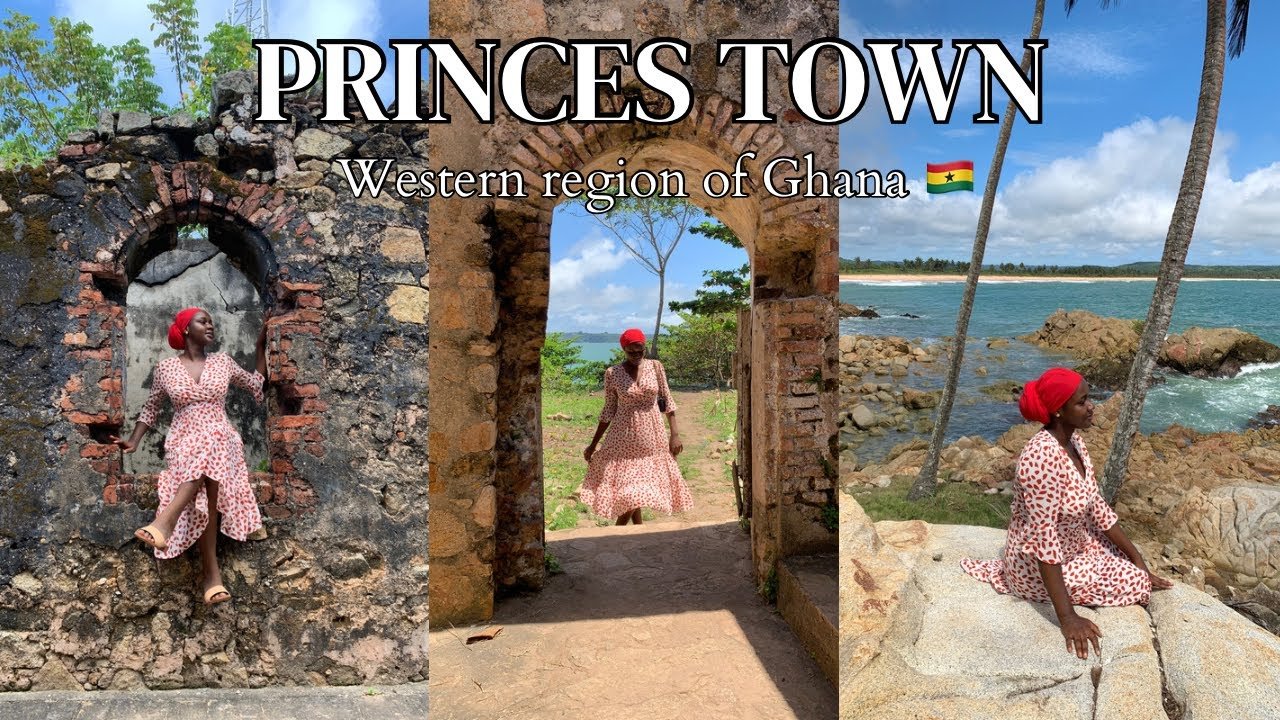
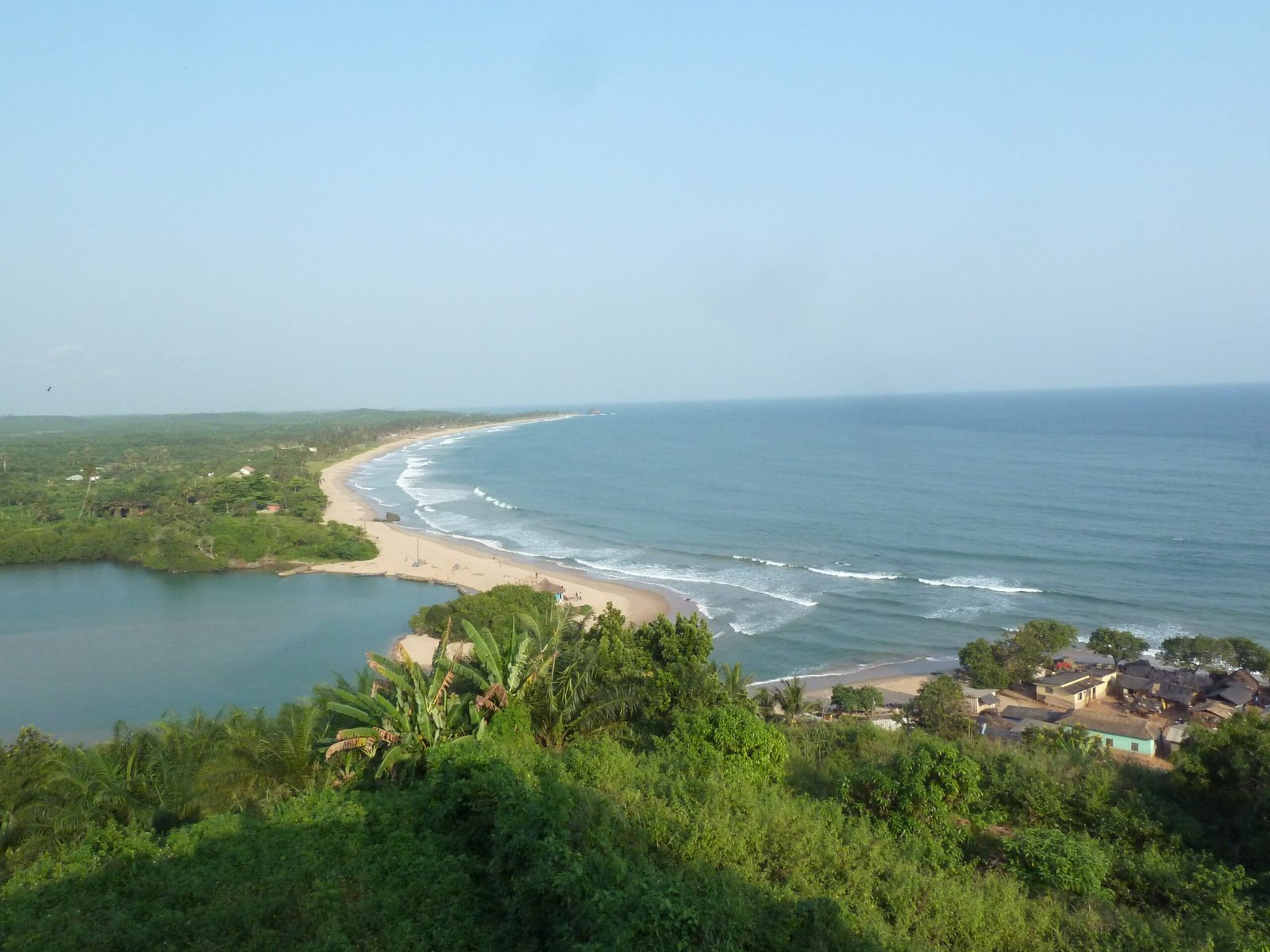
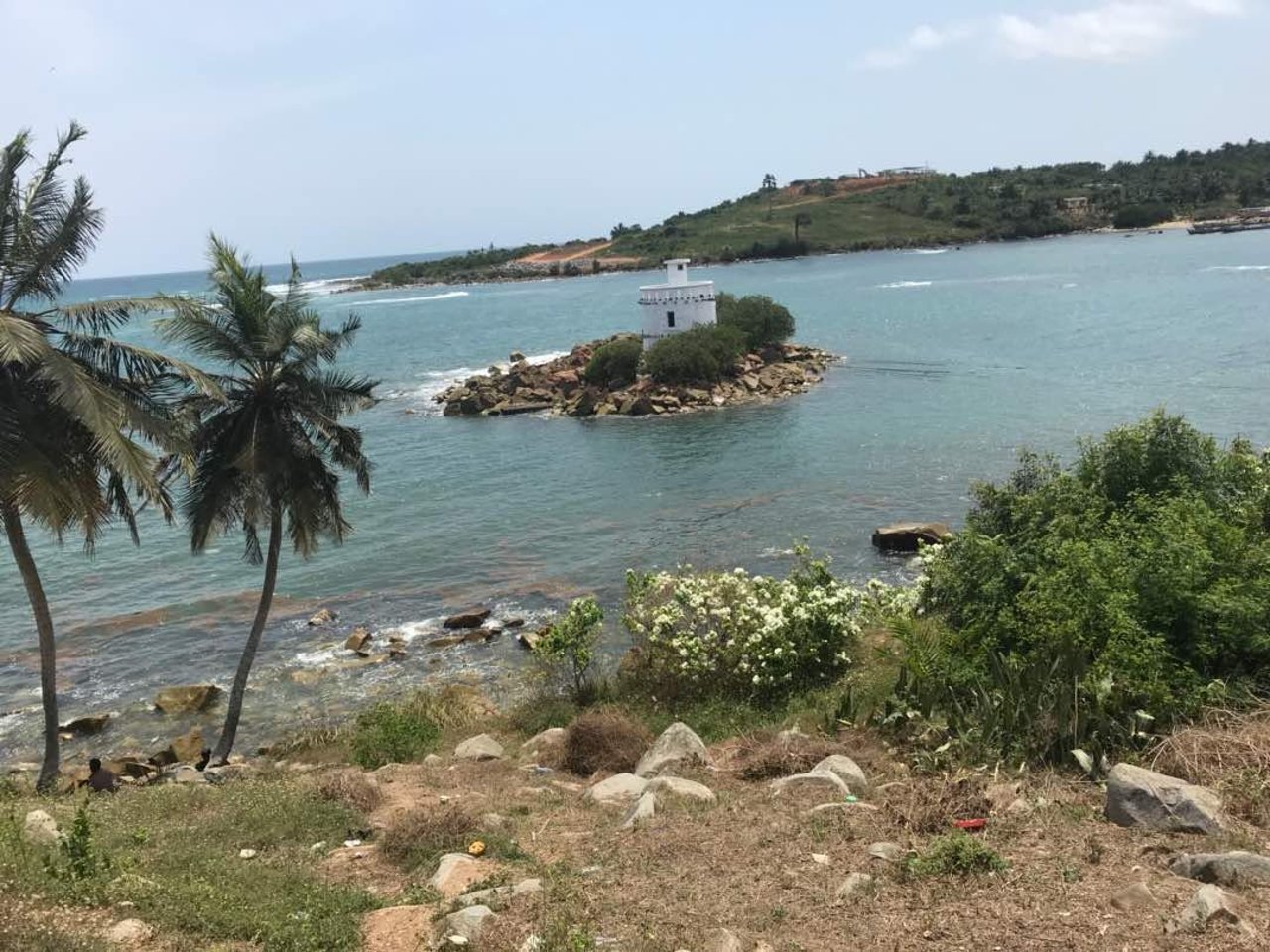
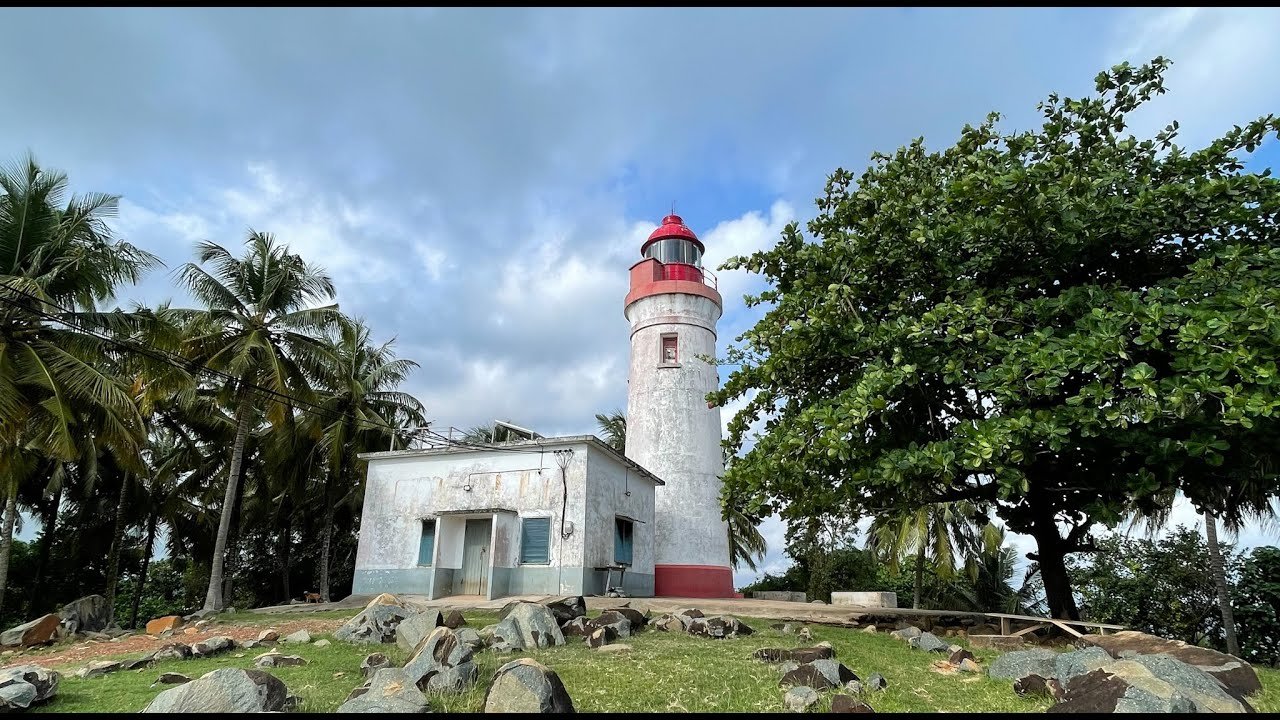
The Western Region of Ghana occupies the southwestern corner of the country, stretching along the Atlantic Ocean and Gulf of Guinea. It is strategically positioned as both a coastal and border region, sharing boundaries with the Central Region to the east, the Western North Region to the north, and Côte d’Ivoire to the west. Its southern edge is defined by an extensive coastline, which is home to some of Ghana’s most pristine beaches, historic forts, and vibrant fishing communities.
The regional capital, Sekondi-Takoradi, popularly referred to as the “Twin City,” serves as a commercial and industrial hub. The Western Region is widely recognized for its abundant natural resources, including cocoa, gold, timber, oil, and gas, making it an important contributor to Ghana’s economy. Beyond its economic significance, the region is celebrated for its cultural heritage, eco-tourism potential, and scenic beauty, ranging from lush forests and palm-fringed landscapes to serene beach resorts and colonial landmarks.
Positioned at the crossroads of trade, culture, and natural wealth, the Western Region is both a gateway to Ghana’s coastal heritage and a vital center of growth in the country’s development.
The Western Region is renowned for its rich natural resources, cultural heritage, and coastal beauty. It is one of Ghana’s most resource-rich areas, contributing significantly to the national economy through cocoa production, gold mining, timber, oil, and gas exploration. The discovery of offshore oil in Takoradi has further positioned the region as a key player in Ghana’s industrial growth.
Culturally and historically, the region is known for its colonial forts and castles, including Fort Metal Cross in Dixcove and Fort St. Anthony in Axim, which highlight its role in global trade during the colonial era. It is also home to Sekondi-Takoradi (the Twin City), a lively urban hub famous for its festivals, music, and seaport activities.
Tourism is another defining feature, as the Western Region boasts some of Ghana’s most beautiful beaches such as Busua, Butre, and Axim, which attract visitors for surfing, relaxation, and eco-tourism. The region’s coastal communities are celebrated for their seafood delicacies, cultural performances, and warm hospitality, making it a vibrant destination for both leisure and cultural immersion.
In essence, the Western Region is known for being a blend of economic strength, historical significance, and natural charm, making it one of Ghana’s most dynamic and captivating regions.
The Western Region of Ghana is home to a diverse mix of ethnic groups, including the Ahanta, Nzema, Wassa, Sefwi, and Aowin, each contributing to the region’s rich cultural identity. The people are known for their warm hospitality, vibrant traditions, and strong connection to the sea and land.
Festivals are a central part of cultural life. Notable celebrations include the Kundum Festival, observed by the Ahanta and Nzema people, which combines thanksgiving, drumming, dance, and communal feasting to mark the harvest season and honor ancestral spirits. These festivals often feature elaborate performances, colorful attire, and traditional music that reflect centuries-old customs.
The region is also recognized for its storytelling, proverbs, and oral traditions, which are used to pass down wisdom, history, and moral lessons across generations. Music and dance play vital roles, with drumming ensembles, sea shanties, and traditional dances expressing both joy and communal unity.
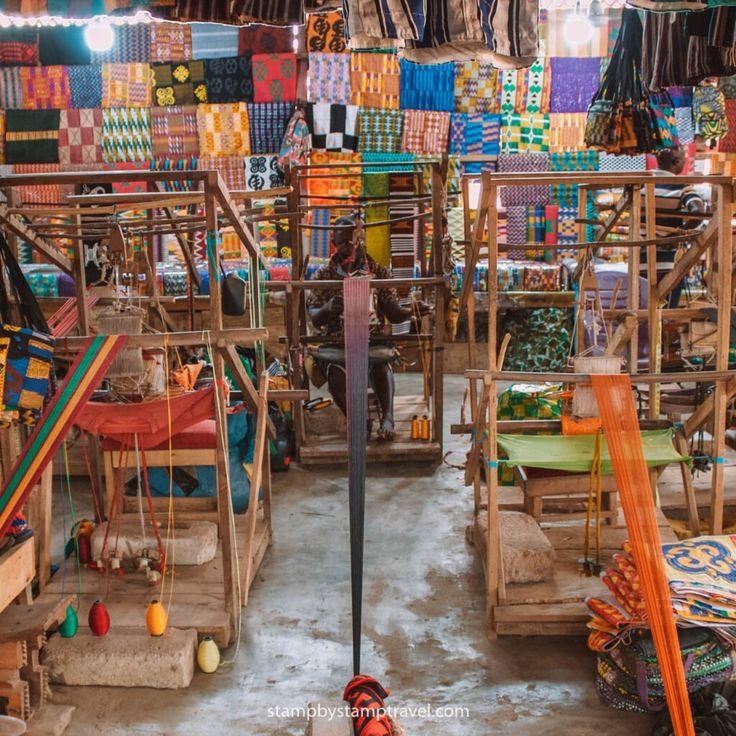
Economically, the culture is intertwined with the environment. Fishing and farming communities maintain traditions around seafood, cocoa, and palm-based dishes, creating a distinctive culinary culture. Crafts such as wood carving, basket weaving, and beadwork further showcase the artistry of the people.
Overall, the culture of the Western Region is a fusion of heritage, spirituality, and community life, balancing historical traditions with modern expressions of identity.
The Western Region is linguistically diverse, reflecting the presence of multiple ethnic groups such as the Ahanta, Nzema, Wassa, Sefwi, and Aowin. Each group has its own language or dialect that shapes the cultural identity of its people.
Nzema: Widely spoken along the coastal areas, especially around Axim and surrounding communities.
Ahanta: Predominantly spoken by the Ahanta people near the Sekondi-Takoradi and coastal belt.
Wassa: Used in the Wassa areas, known for their strong presence in mining and cocoa farming communities.
Sefwi (Akan dialect): Spoken in the northern parts of the region, particularly in farming communities.
Aowin: Found in some inland areas, contributing to the linguistic diversity.
In addition to these indigenous languages, Twi (Akan) serves as a common lingua franca across many communities, facilitating trade and inter-ethnic communication. English, being Ghana’s official language, is widely used in education, government, and business, particularly in urban centers like Sekondi-Takoradi.
Together, this linguistic variety highlights the multicultural character of the Western Region, where local languages preserve tradition while English and Twi connect people across broader social and economic settings.
The cuisine of Ghana’s Western Region reflects its coastal location, fertile farmlands, and cultural diversity. Food is deeply tied to the sea, with fresh seafood and palm-based ingredients playing a central role.
1. Seafood Dishes
Grilled Tilapia & Banku – a popular pairing with hot pepper sauce.
Fante Kenkey with Fish & Shito – maize-based dish served with fried fish and spicy sauce.
Lobster, crab, and octopus stews – fresh from the Gulf of Guinea.
2. Palm-Based Foods
Palm Nut Soup (Abenkwan) – rich, flavorful soup often served with rice balls or fufu.
Kokonte with Palm Nut Soup – made from dried cassava flour.
3. Starchy Staples
Fufu with Light Soup or Groundnut Soup – common in inland areas.
Ampesi (boiled yam, plantain, or cocoyam) with kontomire stew – hearty and filling.
Rice & Beans (Waakye) – often enjoyed with fried plantain and fish.
4. Traditional Delicacies
Akple with Okro Soup – more common in Volta influence but enjoyed in coastal towns.
Etsew with Fish – local maize-based dish among the Fantes.
Seafood jollof rice – Western Region twist on Ghana’s iconic dish.
5. Fruits & Local Produce
Coconut, pineapple, papaya, mango, and bananas are widely consumed.
Palm wine is a traditional local beverage.
1. Historic & Cultural Sites
Fort Metal Cross (Dixcove) – Built by the British in 1691, once a key trading post.
Fort St. Anthony (Axim) – One of the oldest forts on the West African coast, built by the Portuguese.
Fort Apollonia (Beyin) – A restored fort now serving as a museum of Nzema culture and slavery history.
Nzulezu Stilt Village (Beyin) – A UNESCO World Heritage candidate, this unique village is built entirely on stilts over Lake Tadane.
2. Beaches & Coastal Attractions
Busua Beach – Known for surfing, swimming, and relaxation.
Butre Beach – Quiet, scenic, and ideal for nature walks.
Axim Beach – Palm-fringed shoreline with cultural charm.
Cape Three Points – The southernmost tip of Ghana and the closest land point to the “centre of the world.”
3. Nature & Eco-Tourism
Ankasa Conservation Area – Dense tropical rainforest with waterfalls, elephants, and birdlife.
Cape Three Points Forest Reserve – Popular for eco-hikes and panoramic coastal views.
Amansuri Wetlands (Beyin) – Rich biodiversity, canoe tours, and birdwatching.
4. Urban & Cultural Experiences
Sekondi-Takoradi (Twin City) – Vibrant coastal city with markets, festivals, and nightlife.
Takoradi Harbour & Fishing Villages – Authentic local lifestyle and fresh seafood experiences.
1. Historical & Cultural Achievements
Preservation of UNESCO-heritage sites – Nzulezu Stilt Village and historic forts like Fort Metal Cross, Fort Apollonia, and Fort St. Anthony stand as symbols of resilience and cultural identity.
Contribution to Ghana’s independence movement – The region produced notable leaders, intellectuals, and activists who played roles in shaping the nation’s freedom and political evolution.
Cultural Festivals & Traditions – Western Region has maintained vibrant festivals such as Kundum (Ahanta and Nzema people), which celebrate harvest and unity.
2. Economic Achievements
Oil & Gas Discovery – The Western Region is home to Ghana’s offshore oil fields, particularly the Jubilee Field, significantly boosting the national economy.
Mining & Natural Resources – Rich in gold, bauxite, and manganese, contributing to Ghana’s status as one of Africa’s top gold producers.
Agriculture & Cocoa Production – Known for fertile soils, the region plays a vital role in cocoa farming and rubber plantations, both key exports for Ghana.
Fisheries – Coastal communities thrive on fishing, supplying both local and national markets.
3. Tourism & Eco-Conservation
Eco-tourism leadership – Sites like Ankasa Conservation Area and Amansuri Wetlands have gained recognition for biodiversity preservation.
Tourist Development – Beach resorts, cultural heritage sites, and community-based tourism projects have positioned the region as a major tourist hub.
4. Education & Human Capital
The region has produced renowned scholars, entrepreneurs, and leaders contributing to Ghana’s growth.
Institutions in Sekondi-Takoradi and beyond continue to drive human capital development.
Related Trips
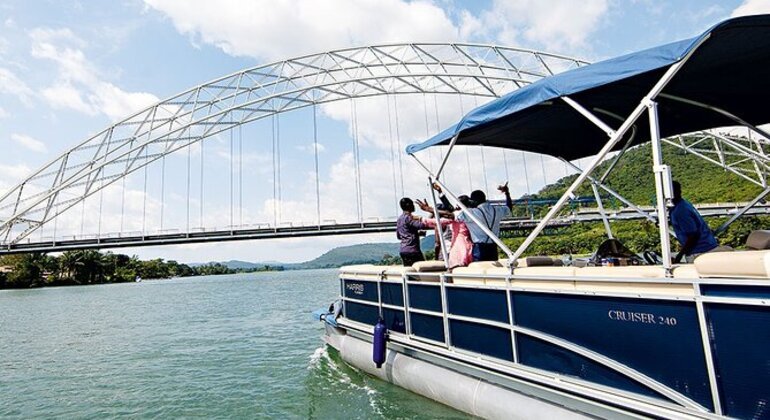
trip to cape coast
Embark on a captivating journey to Cape Coast, where history, culture, and coastal beauty intertwine. Once a thriving colonial seaport, this iconic destination invites you to walk through centuries of stories that shaped Ghana and the African continent. Explore the Cape Coast Castle, a UNESCO World Heritage Site that stands as a powerful symbol of resilience and remembrance.
Beyond history, Cape Coast offers a refreshing blend of adventure and serenity — from the golden sands of Brenu Beach to the lush trails of Kakum National Park, where you can experience the famous canopy walkway suspended above the rainforest. Dive into the rhythm of local life, savor traditional Fante dishes, and engage with artisans whose craft keeps cultural heritage alive.
A tour of Cape Coast is more than just sightseeing — it’s a reflection, an education, and an unforgettable experience that connects you to the heart of Ghana’s soul.
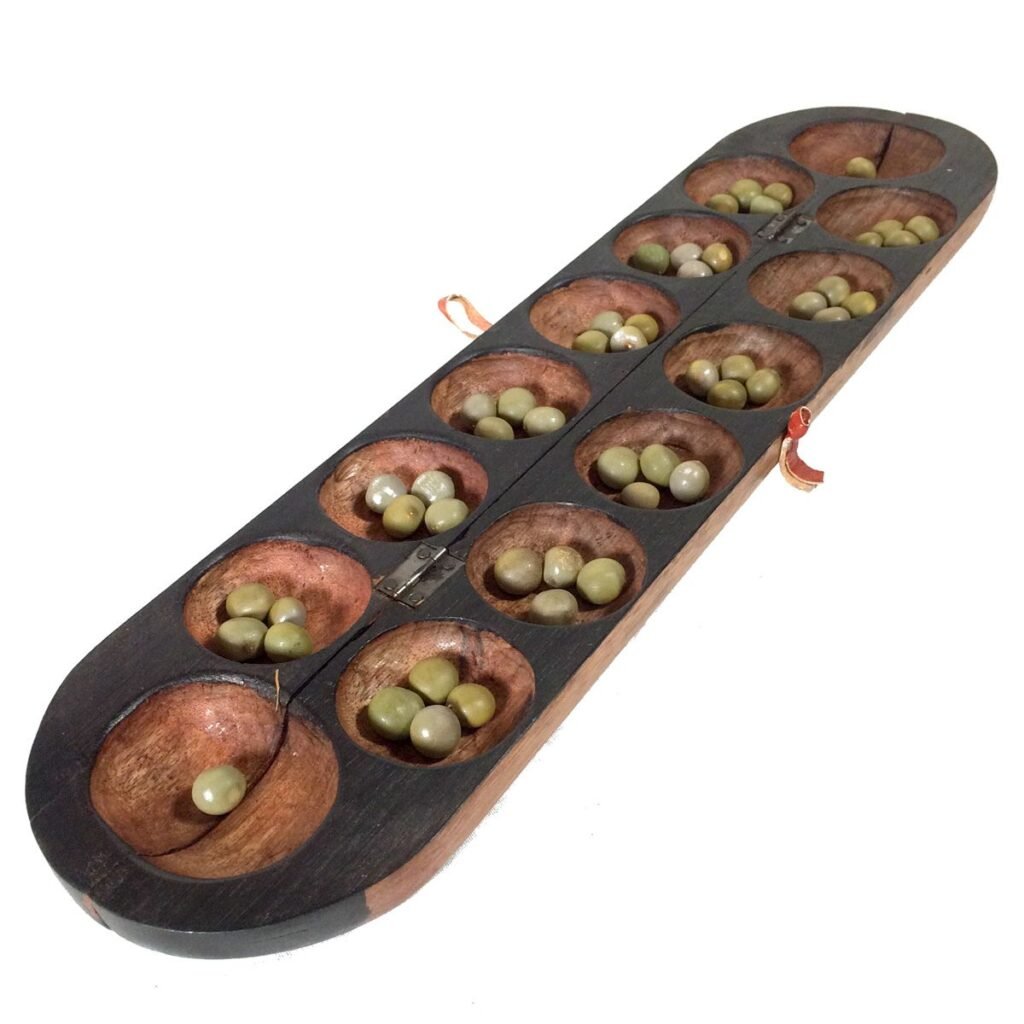
Oware (West Africa)
Oware is a revered abstract strategy game and the national game of Ghana, belonging to the widespread family of “pit and pebble” games known as Mancala. Believed to have originated with the Akan people of Ghana, particularly the Ashanti, the game holds deep cultural significance that extends beyond mere entertainment.
The name “Oware” itself is derived from the Akan word “ware,” which literally means “he/she marries.” This is often linked to a popular legend about a couple who played the game so endlessly that they decided to marry in order to continue their matches without interruption. Reflecting traditional African values, Oware is often a highly social activity where spectators are encouraged to participate by offering advice and engaging in spirited banter.
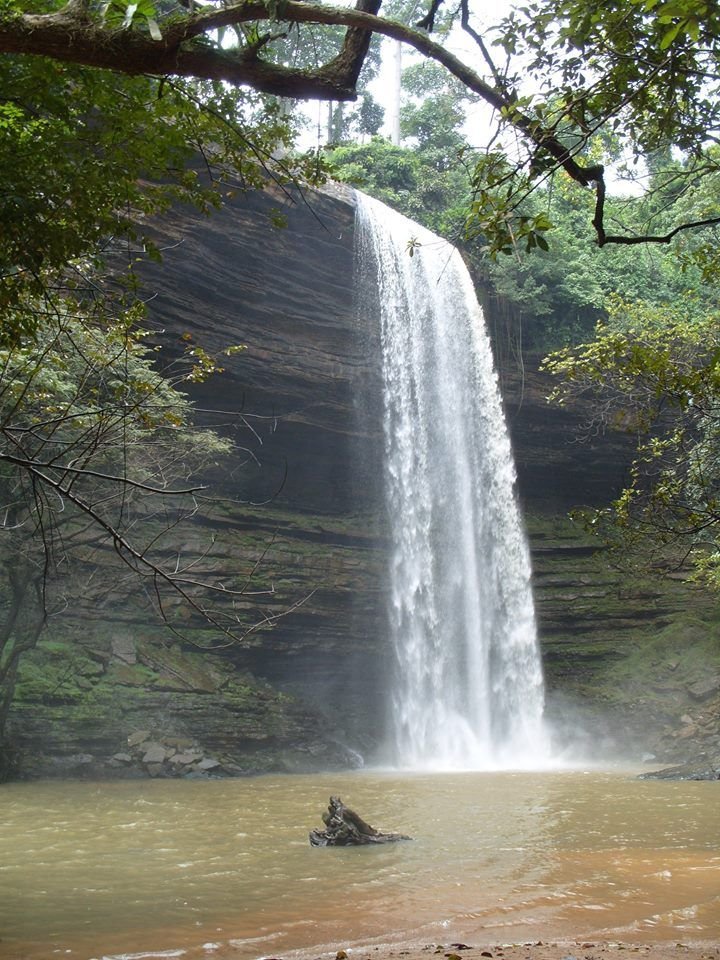
Trip to Eastern Region
The Eastern Region of Ghana is a destination of scenic beauty, rich culture, and vibrant tradition. Known for its lush highlands, waterfalls, and serene lakes, the region offers visitors a refreshing escape into nature. It is home to the famous Lake Volta, one of the world’s largest man-made lakes, and the spectacular Boti Falls, often described as Ghana’s twin wonder. The Atewa Range Forest Reserve and Aburi Botanical Gardens provide opportunities for eco-tourism, hiking, and relaxation in natural surroundings.
There are no reviews yet.