- Overview
- Trip Outline
- Trip Includes
- Trip Excludes
- Gallery
- Reviews
- Booking
- FAQ
The trip is complemented by comfortable accommodation, guided tours, and authentic Ghanaian meals, ensuring a well-rounded experience. Cape Coast stands not only as a symbol of Ghana’s history but also as a gateway to cultural richness, educational heritage, and eco-tourism adventures. This itinerary is designed for travelers seeking both reflection and relaxation in one unforgettable journey.
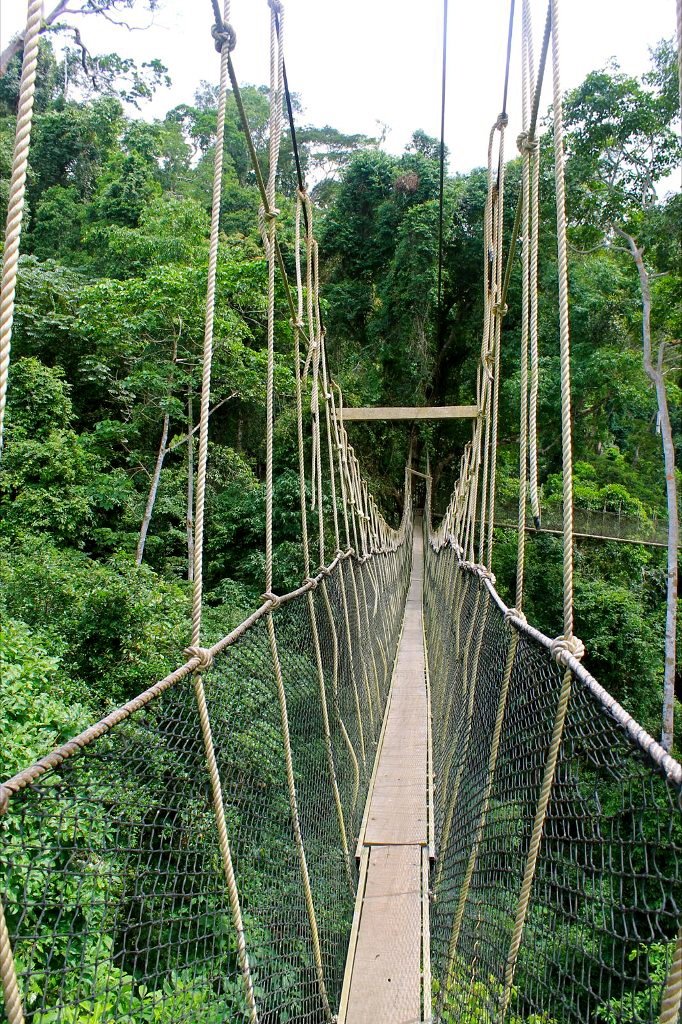
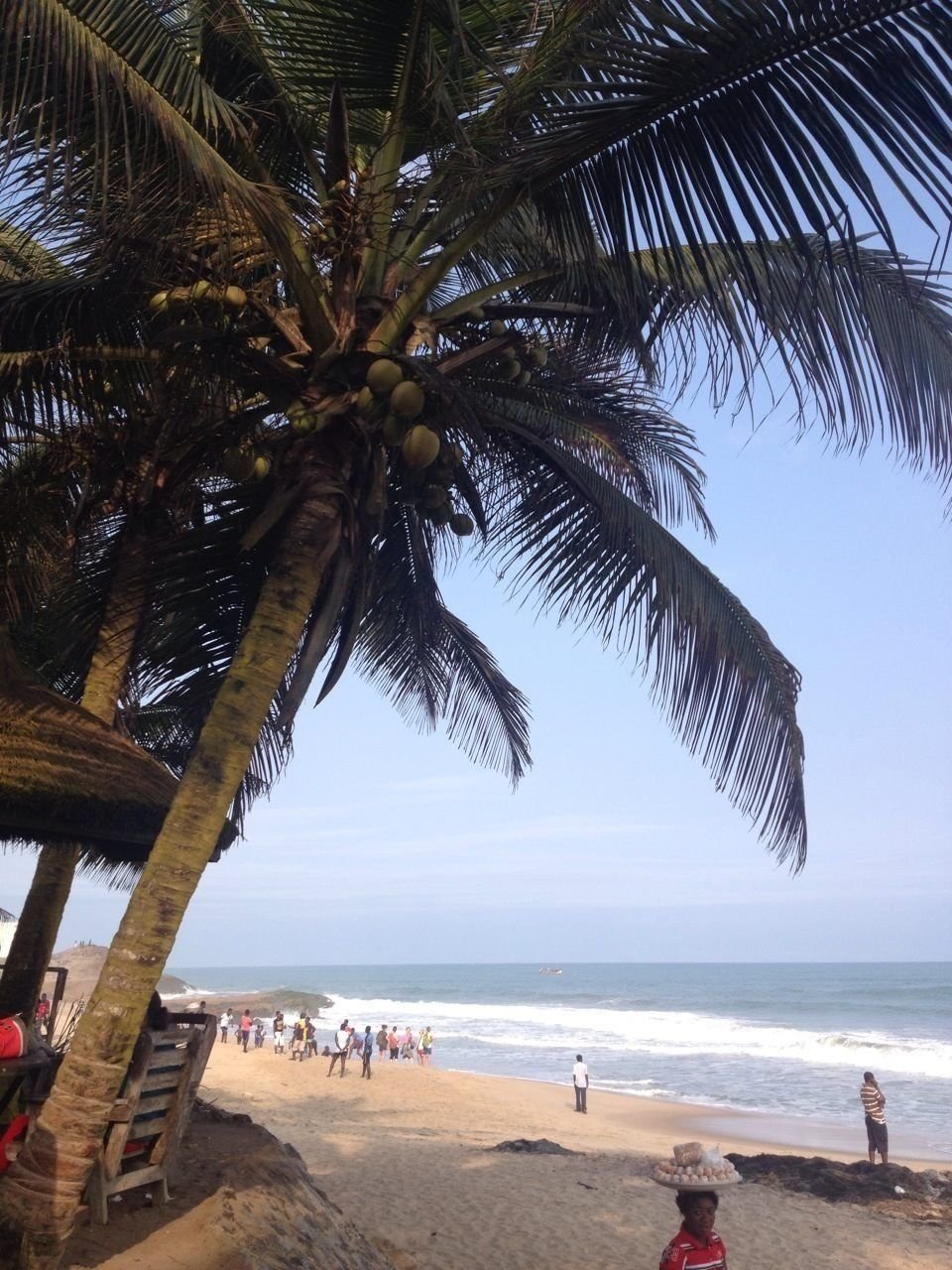
A Cape Coast tour offers a blend of history, culture, nature, leisure, and education. Travelers can explore UNESCO heritage castles like Cape Coast Castle and Elmina, experience Fante traditions and festivals, and shop for local crafts. Nature lovers can enjoy the canopy walkway at Kakum National Park, rainforest hikes, and visits to Assin Manso Slave River. For relaxation, the city’s pristine beaches—Brenu, Oasis, and Cape Coast Beach—provide perfect spots to unwind. Cape Coast also shines as Ghana’s education hub, with the University of Cape Coast and historic schools enriching the experience.
Itineraries
Day 1
Date : January 1, 2026
Time : 5:00 am
Arrival and rest
Visitors begin with historic explorations of Cape Coast Castle, Elmina Castle, and Fort William, where stories of resilience and heritage unfold. The cultural heartbeat of the city comes alive in the Oguaa Fetu Afahye Festival, local drumming and dance performances, and the bustling Cape Coast Arts Centre, where handcrafted beads, textiles, and carvings showcase the creativity of the Fante people.
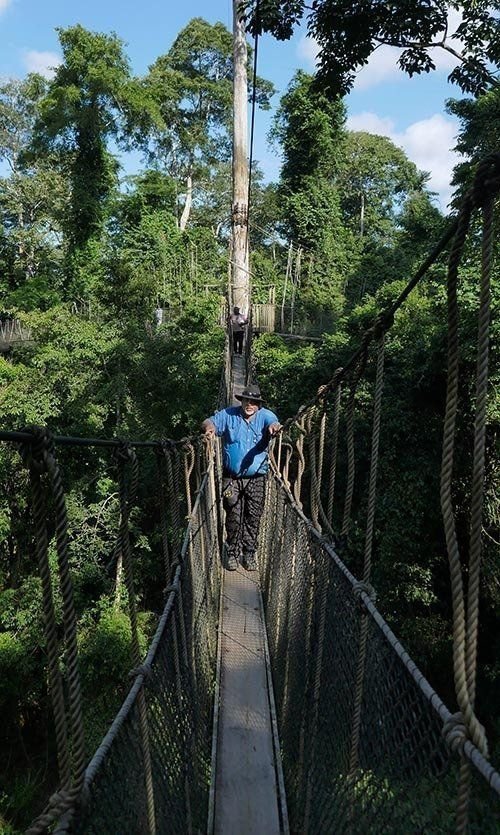
For nature lovers, Kakum National Park offers thrilling rainforest hikes and the world-famous canopy walkway, while Assin Manso Slave River provides a blend of natural serenity and historical reflection. The coastline, dotted with Brenu Beach, Oasis Beach, and Cape Coast Beach, invites travelers to relax, swim, or enjoy fresh seafood under golden sunsets.
Cape Coast is also regarded as the educational capital of Ghana, home to the University of Cape Coast and prestigious schools such as Wesley Girls’ High School and Adisadel College.
Day 2
Date : January 2, 2026
Time : 5:00 am
Historical & Heritage Experiences
-
Morning: Arrival in Cape Coast, hotel check-in.
-
Midday: Guided tour of Cape Coast Castle (museum + slave dungeons).
-
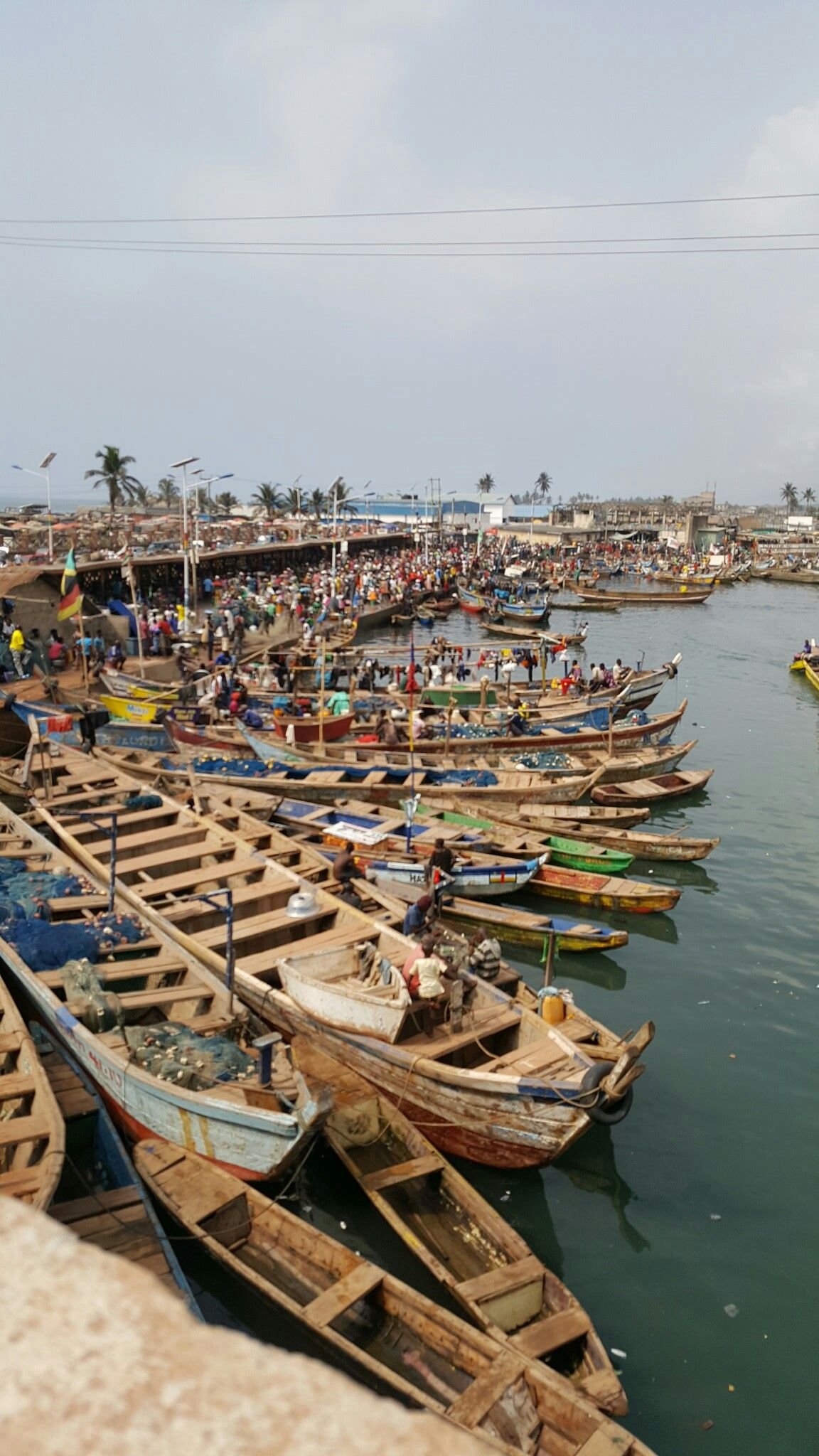
Afternoon: Visit Elmina Castle and walk through Elmina fishing town.
-
Evening: Sunset at Fort William Lighthouse with coastal views.
Day 3
Date : January 3, 2026
Time : 5:00 am
Culture & Nature
-
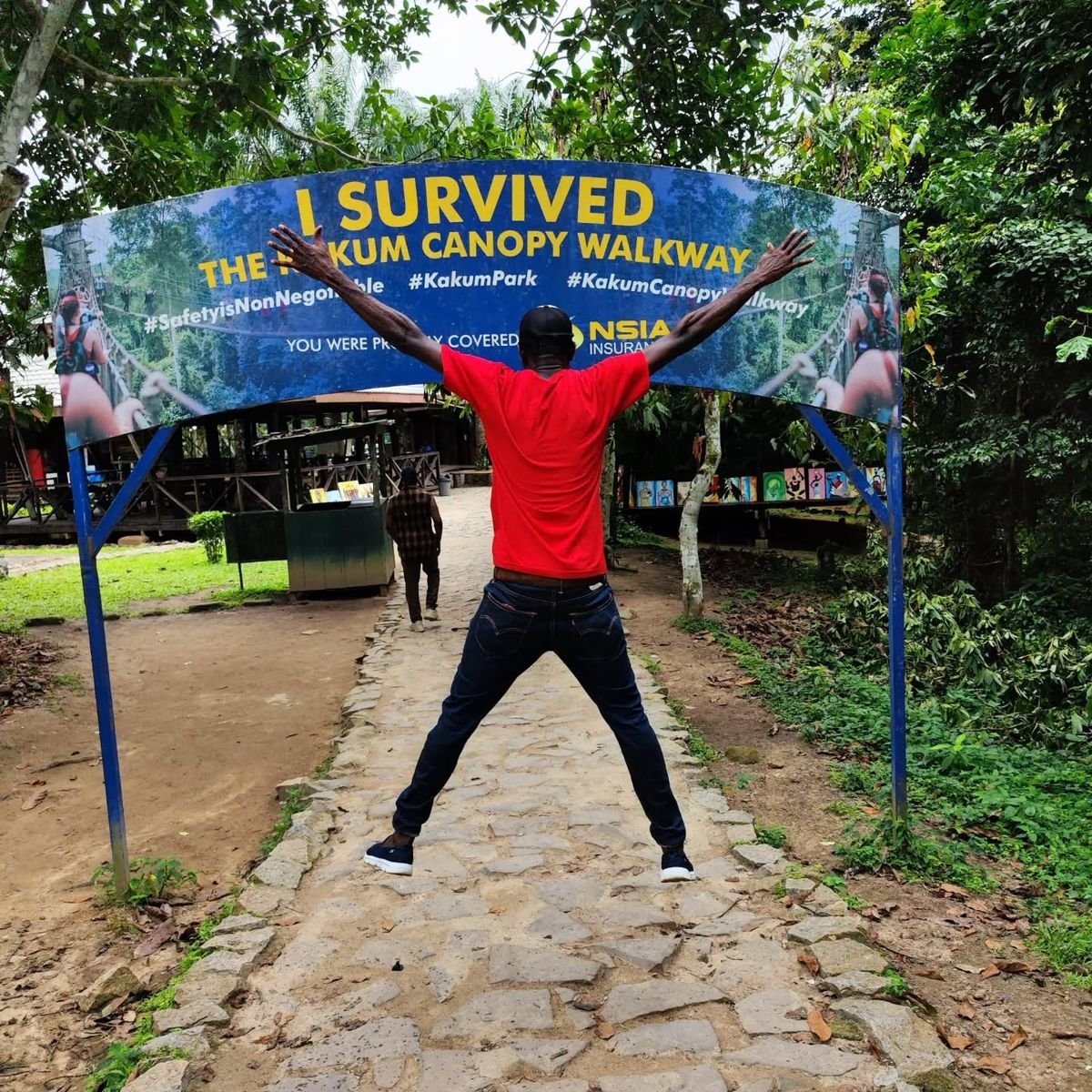
Morning: Trip to Kakum National Park – canopy walkway, rainforest hike, birdwatching.
-
Midday: Visit Assin Manso Slave River (“Last Bath” memorial site).
-
Afternoon: Lunch + Cape Coast Arts Centre (craft shopping, drumming & dance).
-
Evening: Cultural dinner experience with Fante traditional music/dance.
Day 4
Date : January 4, 2026
Time : 5:00 am
Leisure & Relaxation
-
Morning: Relax at Brenu Beach (swimming, sunbathing, or surfing).
-
Midday: Seafood lunch at a beachfront restaurant.
-
Afternoon: Tour University of Cape Coast (optional academic visit).
-
Evening: Free time for last-minute shopping & departure.
-
Accommodation: 2 nights in a standard hotel/resort in Cape Coast.
-
Transportation: Air-conditioned vehicle for all transfers and excursions.
-
Meals: Daily breakfast + 2 local lunches + 1 cultural dinner experience.
-
Entrance Fees: Cape Coast Castle, Elmina Castle, Kakum National Park, Assin Manso Slave River.
-
Guided Tours: Professional tour guide (history, culture, and nature).
-
Cultural Experience: Drumming & dance session, craft market visit.
-
Beach Relaxation: Access to Brenu or Oasis Beach.
-
Bottled Water during tours and transfers.
-
International airfare to/from Ghana.
-
Visa fees and travel insurance.
-
Personal expenses (shopping, tips, laundry, phone calls).
-
Optional activities not listed in itinerary (e.g., surfing lessons, nightlife tours).
-
Extra meals & drinks beyond those specified.
-
Medical expenses or emergency evacuation.
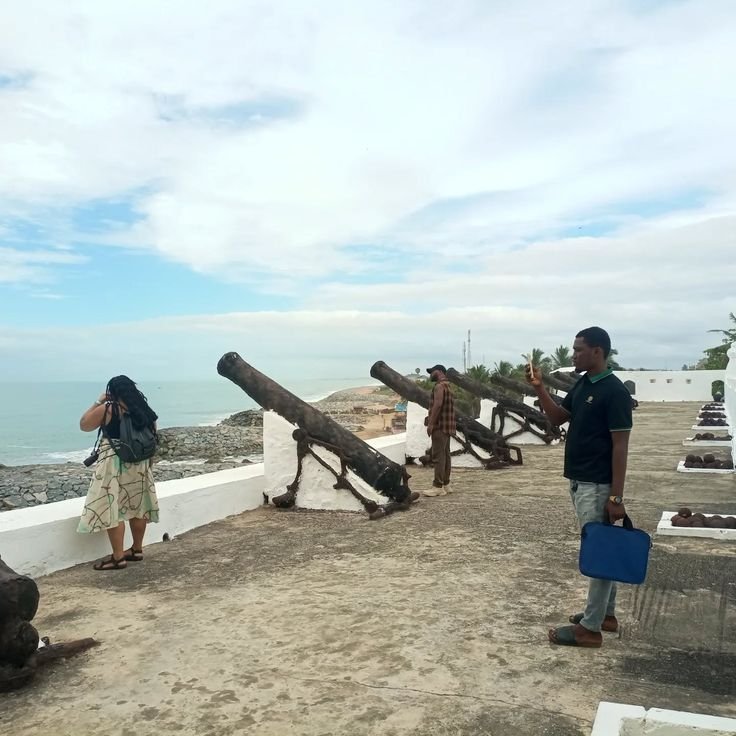
Cape Coast is the capital of Ghana’s Central Region, situated along the Gulf of Guinea. It lies about 150 km southwest of Accra, between Accra and Takoradi, making it a key coastal city with historical and cultural significance.
Slave Trade History – Once a major hub for the transatlantic slave trade.
Cape Coast Castle – A UNESCO World Heritage Site and one of Ghana’s most visited landmarks.
Elmina Castle (nearby) – Another important historical site.
Educational Institutions – Home to the University of Cape Coast, one of Ghana’s leading universities.
Kakum National Park – Famous for its rainforest canopy walkway.
Beautiful Beaches – Including Brenu Beach and Oasis Beach.
The people of Cape Coast are largely Fante, part of the Akan ethnic group.
They celebrate the Oguaa Fetu Afahye Festival, an annual harvest festival featuring colorful processions, drumming, dancing, and rituals.
Fishing and trade remain central aspects of cultural identity.
Arts and crafts, particularly wood carvings, kente weaving, and beadwork, are common in the area.
The dominant local language is Fante, a dialect of Akan.
English is widely spoken, especially in education, tourism, and business.
Cape Coast cuisine reflects its coastal location and cultural traditions:
Fante Kenkey with Fish & Shito – a maize-based staple served with fried fish and pepper sauce.
Palm Nut Soup (Abenkwan) – served with rice balls, fufu, or yam.
Seafood dishes – crabs, lobsters, tilapia, and shrimps are commonly prepared in stews and grills.
Ampesi with Kontomire Stew – boiled yam, cocoyam, or plantain served with spinach-like stew.
Jollof rice with fish or chicken – widely enjoyed in homes and restaurants.
Street foods – roasted plantain (“Kofi Brokeman”) and fried yam with fish.
Cape Coast Castle – Historical fort and slave trade museum.
Elmina Castle (nearby) – Another UNESCO World Heritage site.
Kakum National Park – Rainforest reserve with canopy walkway.
Fort William – A lighthouse built in the 1820s.
Beaches – Brenu Beach, Oasis Beach, and Cape Coast Beach.
Cape Coast Arts Centre – Market for crafts, beads, and carvings.
Historic Significance – Cape Coast served as the colonial capital of the Gold Coast until 1877.
Educational Hub – Known as the “education capital of Ghana” due to institutions like the University of Cape Coast, Wesley Girls’ High School, and Adisadel College.
Cultural Heritage – The city has preserved significant festivals, traditions, and historical monuments.
Tourism Development – Cape Coast Castle and Kakum National Park are among Ghana’s most visited sites, contributing to the national tourism sector.
Human Capital – The city has produced many of Ghana’s intellectuals, leaders, and cultural icons.
Related Trips
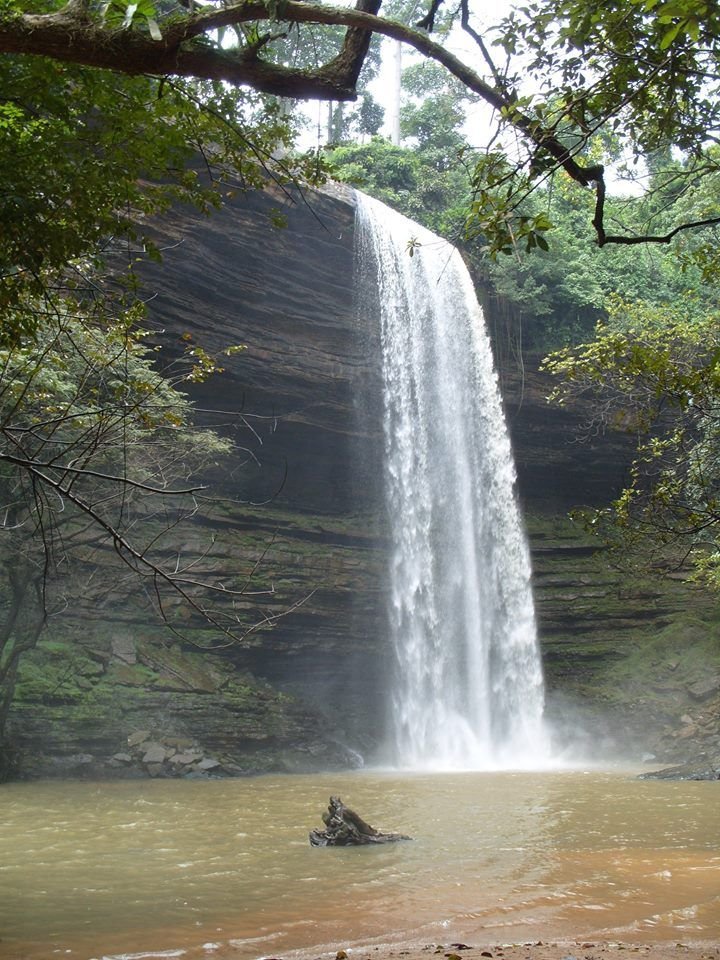
trip to cape coast
Embark on a captivating journey to Cape Coast, where history, culture, and coastal beauty intertwine. Once a thriving colonial seaport, this iconic destination invites you to walk through centuries of stories that shaped Ghana and the African continent. Explore the Cape Coast Castle, a UNESCO World Heritage Site that stands as a powerful symbol of resilience and remembrance.
Beyond history, Cape Coast offers a refreshing blend of adventure and serenity — from the golden sands of Brenu Beach to the lush trails of Kakum National Park, where you can experience the famous canopy walkway suspended above the rainforest. Dive into the rhythm of local life, savor traditional Fante dishes, and engage with artisans whose craft keeps cultural heritage alive.
A tour of Cape Coast is more than just sightseeing — it’s a reflection, an education, and an unforgettable experience that connects you to the heart of Ghana’s soul.
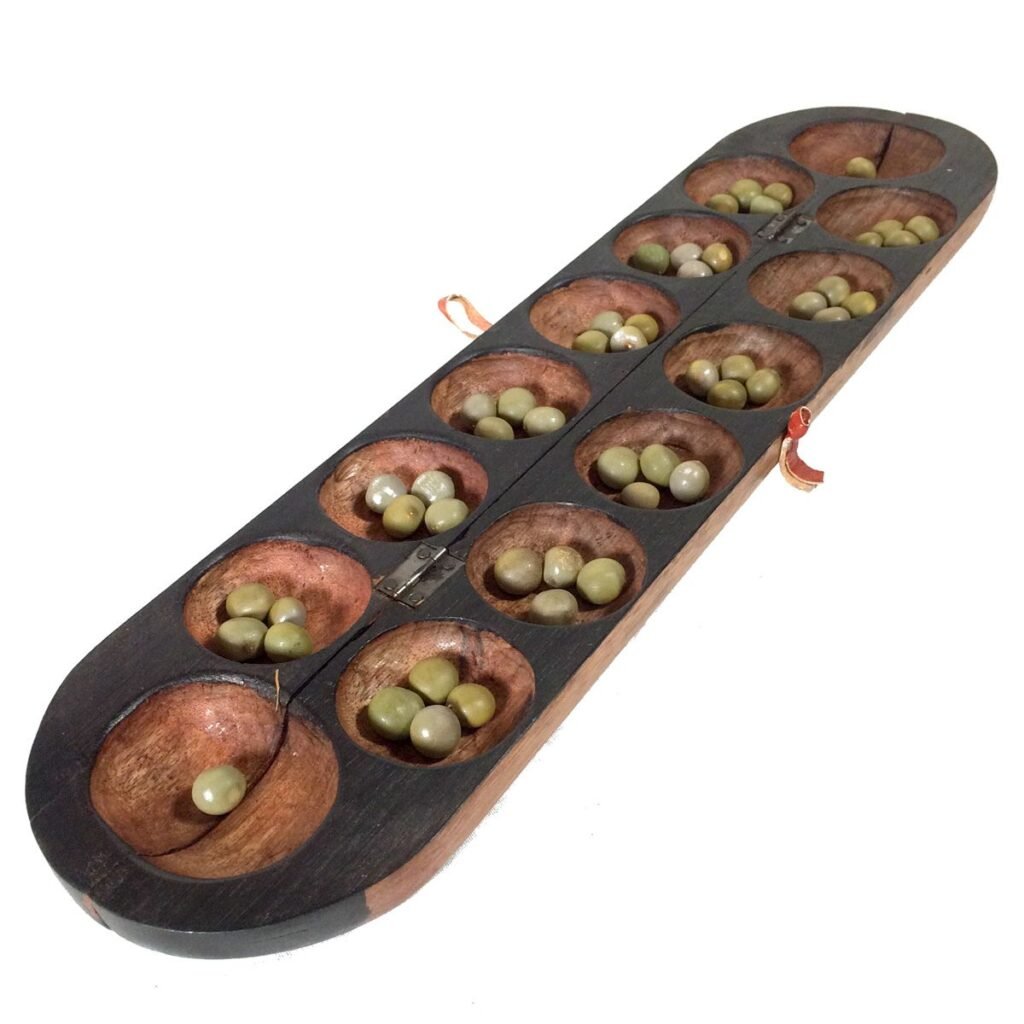
Oware (West Africa)
Oware is a revered abstract strategy game and the national game of Ghana, belonging to the widespread family of “pit and pebble” games known as Mancala. Believed to have originated with the Akan people of Ghana, particularly the Ashanti, the game holds deep cultural significance that extends beyond mere entertainment.
The name “Oware” itself is derived from the Akan word “ware,” which literally means “he/she marries.” This is often linked to a popular legend about a couple who played the game so endlessly that they decided to marry in order to continue their matches without interruption. Reflecting traditional African values, Oware is often a highly social activity where spectators are encouraged to participate by offering advice and engaging in spirited banter.
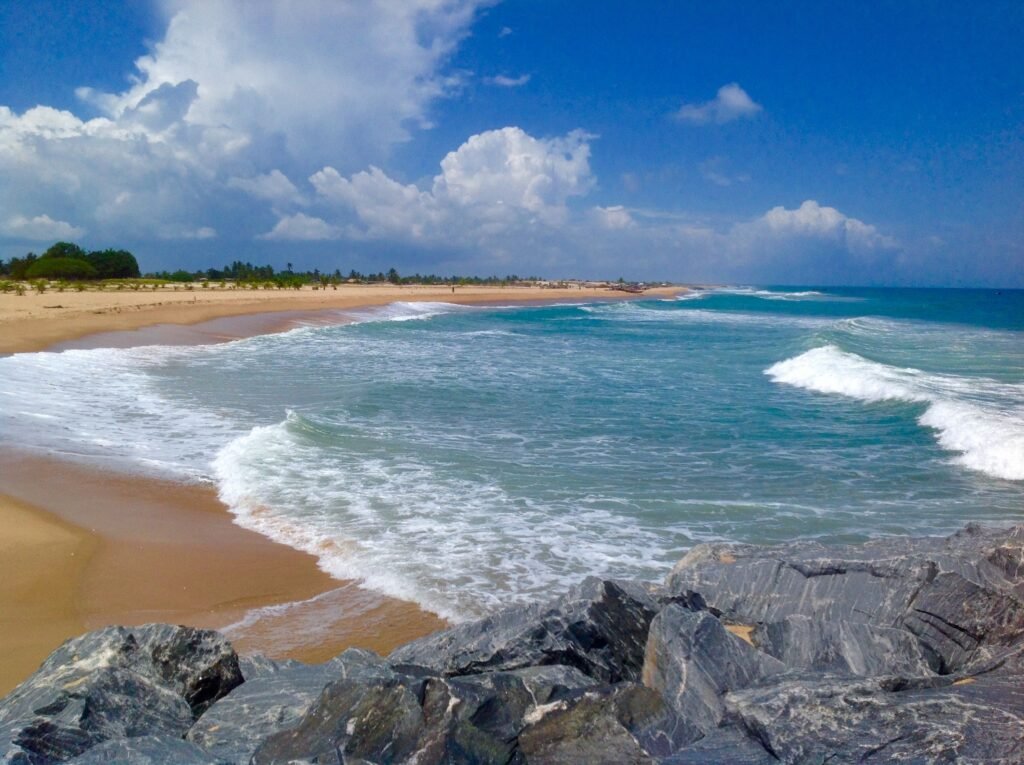
Keta Beach/Leklebi Beach
Keta Beach / Keta Lagoon Complex: Where the Sea Meets History and Erosion
Keta is a prominent coastal town located in the Volta Region, situated on a narrow, fragile strip of land separating the turbulent Atlantic Ocean from the enormous Keta Lagoon Complex (Ghana’s largest lagoon and a designated Ramsar Site).
The identity of Keta is one of resilience, cultural heritage, and a continuous battle against the sea. Unlike the active tourism of Busua, Keta is a place of serene, expansive natural beauty coupled with a deep, somber historical and environmental narrative.
Key Aspects:
Historical Serenity: The beaches themselves offer a quiet, reflective experience. They are known for their soft, long stretches of sand, ideal for sunrise walks and observing the local Ewe fishing culture. The coastline is directly overlooked by the historical Fort Prinzenstein, a former slave fort that anchors Keta’s historical significance.
The Lagoon Contrast: The experience is defined by the proximity of the Keta Lagoon, a vast wetland ecosystem. This area offers a complete contrast to the ocean—it is a haven for bird-watching, boat cruises through mangroves, and a core source of livelihood for the local population through fishing and salt harvesting.
The Environmental Narrative: Keta is internationally known for the devastating effects of coastal erosion and tidal waves. The construction of the Keta Sea Defence Project has protected the main town center, but the shifting sand dynamics have exacerbated erosion in the down-drift communities to the east. This creates an atmosphere where the forces of nature are always visible and ever-present, giving the destination a powerful, cautionary beauty.
In short, a visit to Keta is a powerful blend of tranquil beach escape, vital wetland exploration, and a humbling look at a community bravely facing down the forces of a changing coast.
There are no reviews yet.