- Overview
- Trip Includes
- Trip Excludes
- Gallery
- Reviews
- FAQ
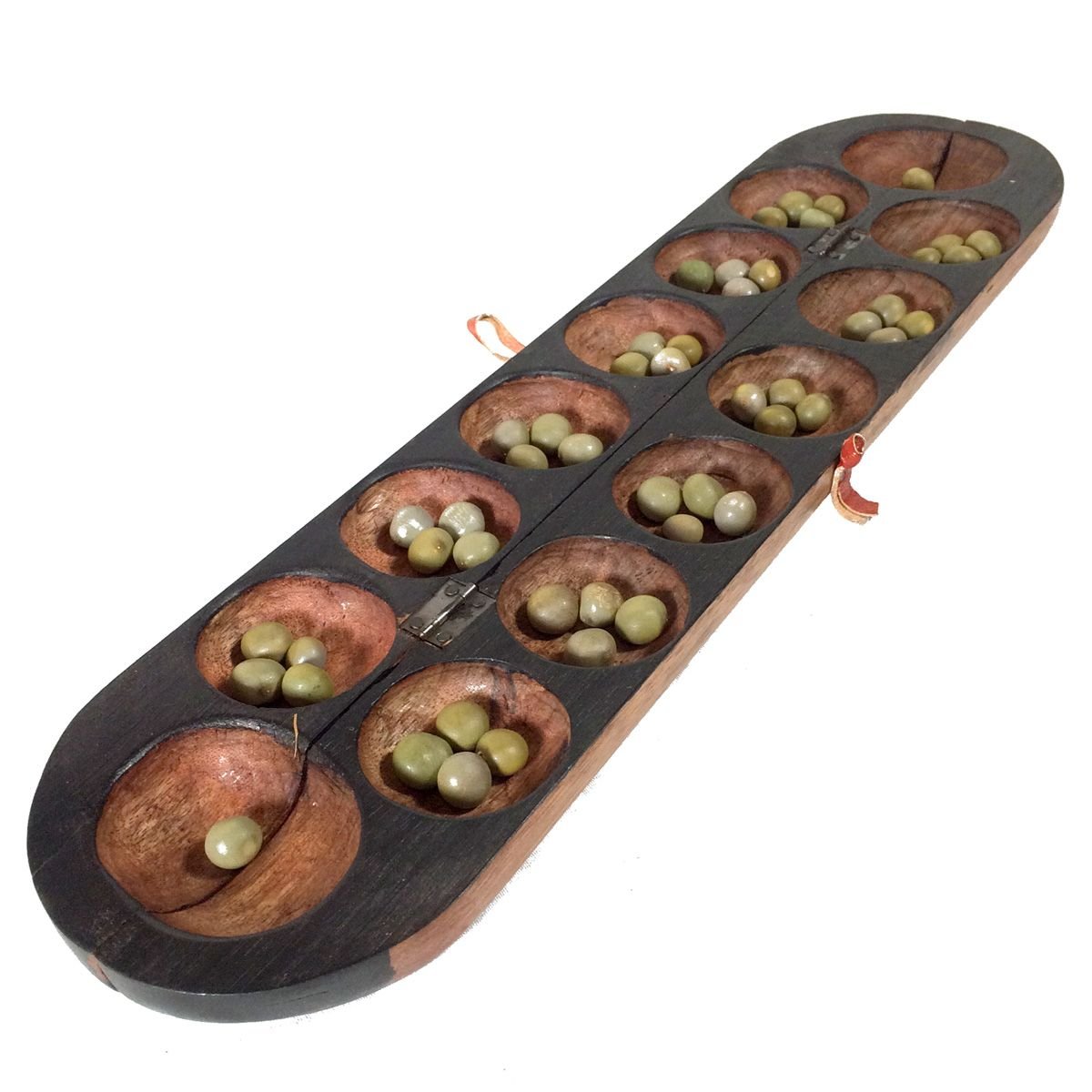
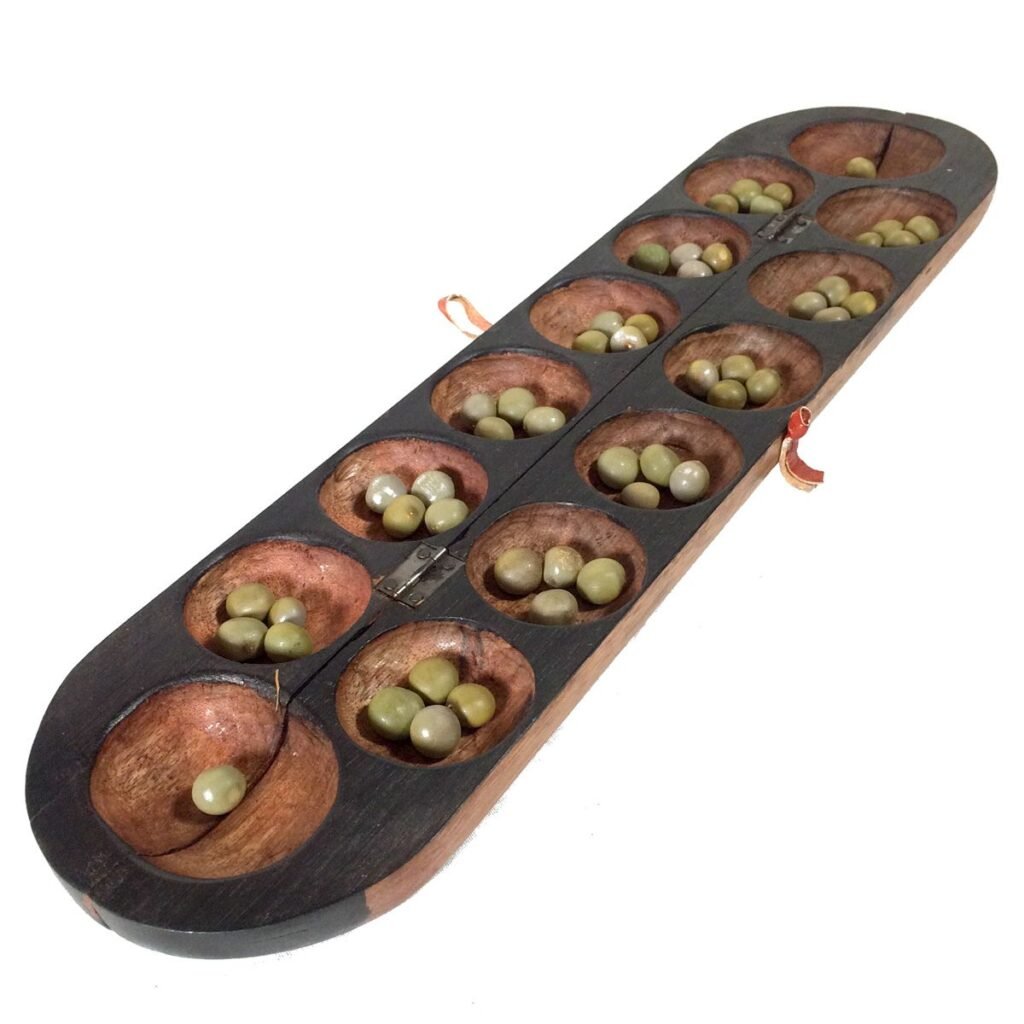
The traditional Ghanaian game of Oware, also a well-known member of the Mancala family of games, is far more than a simple diversion; it is a profound cultural institution, particularly among the Akan people. The very name, derived from the Akan word ware ("he/she marries"), is tied to a romantic legend of a couple whose passion for the game led them to marry to ensure their endless play. This association highlights the game's integral role in social life.
Oware is a strategic, two-player abstract game played on a board of twelve pits, or "houses," with a total of 48 seeds. Each player controls the six houses on their side, and the contest begins with four seeds in every pit. The central objective is one of capture: to accumulate 25 or more seeds, thus securing the majority of the total 48 pieces.
Movement in Oware is a process called "sowing." A player initiates a turn by selecting one of their houses, scooping up all its seeds, and distributing them one-by-one, counter-clockwise, into the subsequent pits. The essence of the game lies in the capture mechanism: seeds are won when the final seed of a player's move lands in an opponent's house and brings the total count in that pit to precisely two or three. All the seeds in that captured pit are then removed from the board and added to the player's score. The most sophisticated version of the game, used for serious play and competition, is called Abapa.
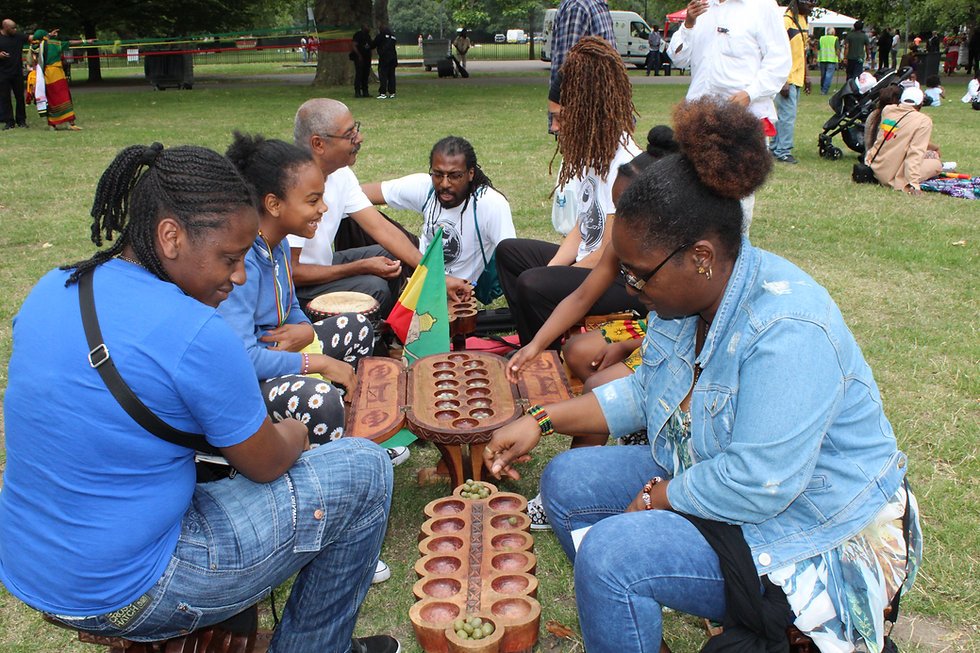
Culturally, Oware reflects a communal spirit, as onlookers are not just passive observers but often actively participate by advising players and engaging in friendly debate. It is also a powerful educational tool, teaching children essential skills in counting, mathematics, and complex strategic planning, fostering intellectual development that extends well beyond the boundaries of the game board.
✅ Inclusions (What is Encouraged/Included)
-
Spectator Participation: Onlookers are highly encouraged to discuss the game, advise players, and engage in cheerful banter and debate. This reinforces the game's role as a social gathering point.
-
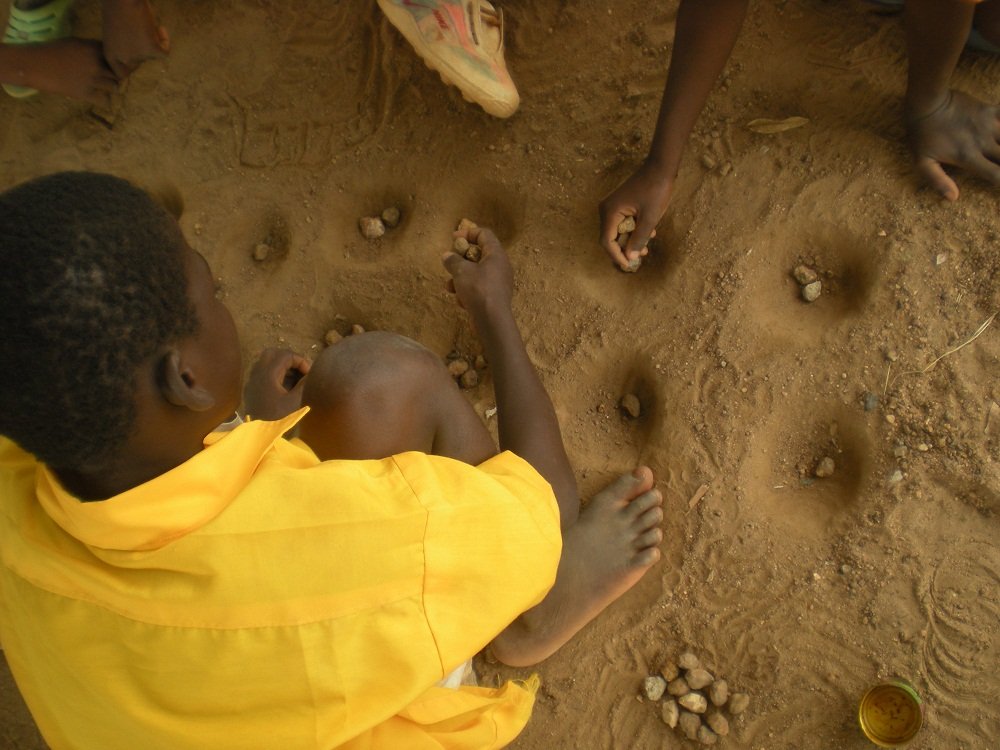
Oral Tradition & Learning: The game is widely accessible, often played with found materials (like stones or seeds) and its rules are transmitted through informal teaching, promoting cultural continuity.
-
Intellectual Skill: Counting, quick mental calculation, and complex strategic planning are central. Oware is seen as an informal tool for education, sharpening intellect and problem-solving abilities.
-
Communal Focus: The game facilitates social interaction, bonding, and teamwork (even if only two are playing, the community is involved), reflecting core Ghanaian values.
-
Fair Play: Players are expected to maintain composure, respect the rules, and treat their opponent and advisors with dignity, embodying good sportsmanship.
Exclusions (What is Prohibited/Excluded)
-
Capturing All Seeds (Starvation): A player is prohibited from making a move that would leave the opponent's entire side empty (known as the "feed the opponent" rule) if a move to avoid it is possible. This rule ensures the game continues and preserves the opponent's ability to play.
-
Playing in Silence/Isolation: Oware is rarely a purely private or silent affair. The absence of interaction runs contrary to the game's deep social and community-focused spirit.
-
Distributing Seeds into the Starting Pit: If a player has a large number of seeds (12 or more), they skip the house they picked up from when sowing. The starting pit must always be left empty for that turn.
-
Dishonest Play: Any attempt to explicitly cheat, miscount seeds, or hide pieces is unacceptable, as the game's integrity relies on open (though often fast-paced) calculation and respect for the agreed-upon rules.
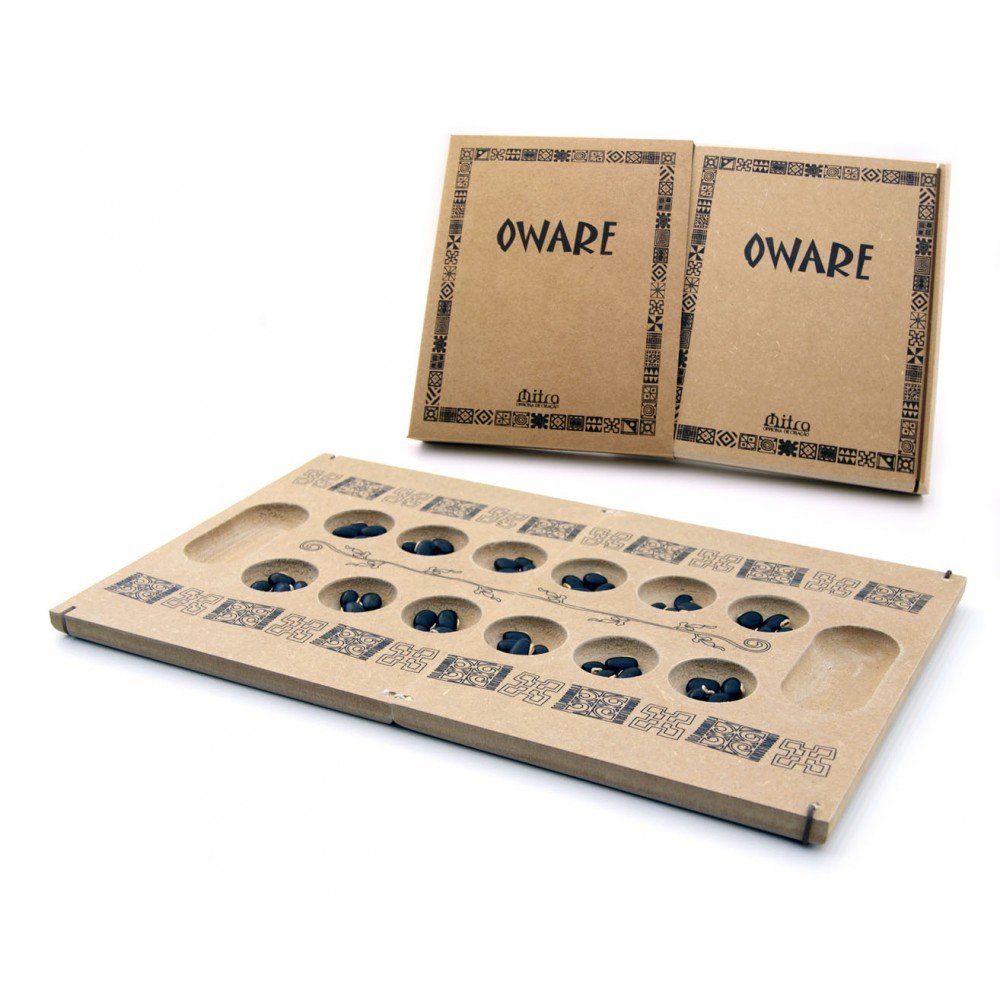
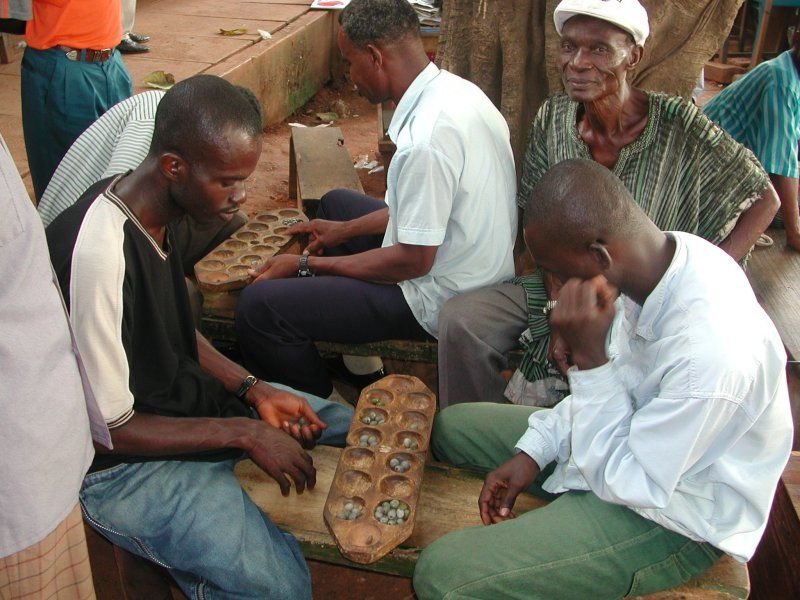
The primary objective is to capture more seeds than your opponent. Since the game starts with 48 seeds, the first player to capture 25 or more seeds wins the game.
The game requires an Oware board with two rows of six pits (or "houses") for a total of twelve pits. It also uses 48 seeds (often pebbles, beans, or specific Oware seeds). Some boards also have two larger pits called "stores" to hold captured seeds, but scoring can be kept aside as well.
At the start of the game, four seeds are placed in each of the twelve smaller pits. Each player controls the six pits on their side of the board.
The player chooses one of the six pits on their side of the board that contains seeds.
They remove all the seeds from that pit.
They distribute or "sow" the seeds one by one in a counter-clockwise direction into subsequent pits.
Seeds are sown into the opponent's pits but not into the starting pit (it remains empty) or the large score/store pits.
Capturing only happens when your last sown seed lands in an opponent's pit and brings the total number of seeds in that pit to exactly two or three. All seeds in that pit are then captured and added to your score.
No, Oware is a specific variant of the larger family of "Mancala" games (also known as "count-and-capture" games). While they share a board structure and the basic "sow" movement, Oware has unique rules for capturing (only on the opponent's side, and only on a count of two or three) and the compulsory "feed" rule, which distinguishes it from popular variants like Kalah.
Oware is the Akan name for the game (popular in Ghana), and it is said to mean "He/She Marries." This is linked to an Ashanti legend about a man and woman whose game lasted so long they decided to marry to have more time to play. The game has many regional names, including Awalé (Côte d'Ivoire), Warri (Caribbean), and Ayò (Yoruba, Nigeria).
Related Trips
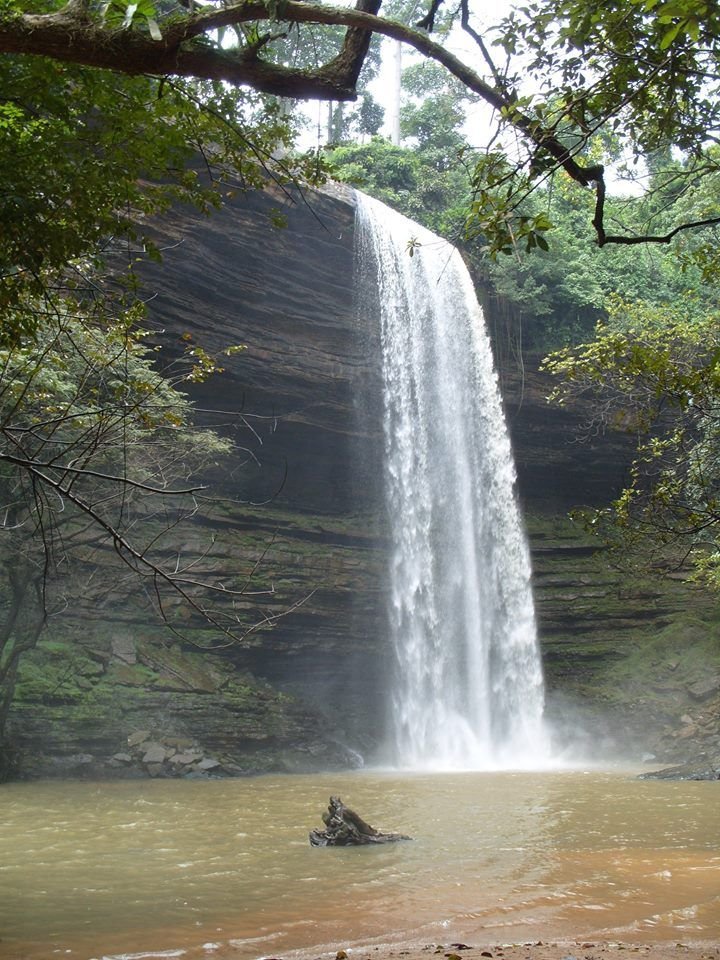
trip to cape coast
Embark on a captivating journey to Cape Coast, where history, culture, and coastal beauty intertwine. Once a thriving colonial seaport, this iconic destination invites you to walk through centuries of stories that shaped Ghana and the African continent. Explore the Cape Coast Castle, a UNESCO World Heritage Site that stands as a powerful symbol of resilience and remembrance.
Beyond history, Cape Coast offers a refreshing blend of adventure and serenity — from the golden sands of Brenu Beach to the lush trails of Kakum National Park, where you can experience the famous canopy walkway suspended above the rainforest. Dive into the rhythm of local life, savor traditional Fante dishes, and engage with artisans whose craft keeps cultural heritage alive.
A tour of Cape Coast is more than just sightseeing — it’s a reflection, an education, and an unforgettable experience that connects you to the heart of Ghana’s soul.
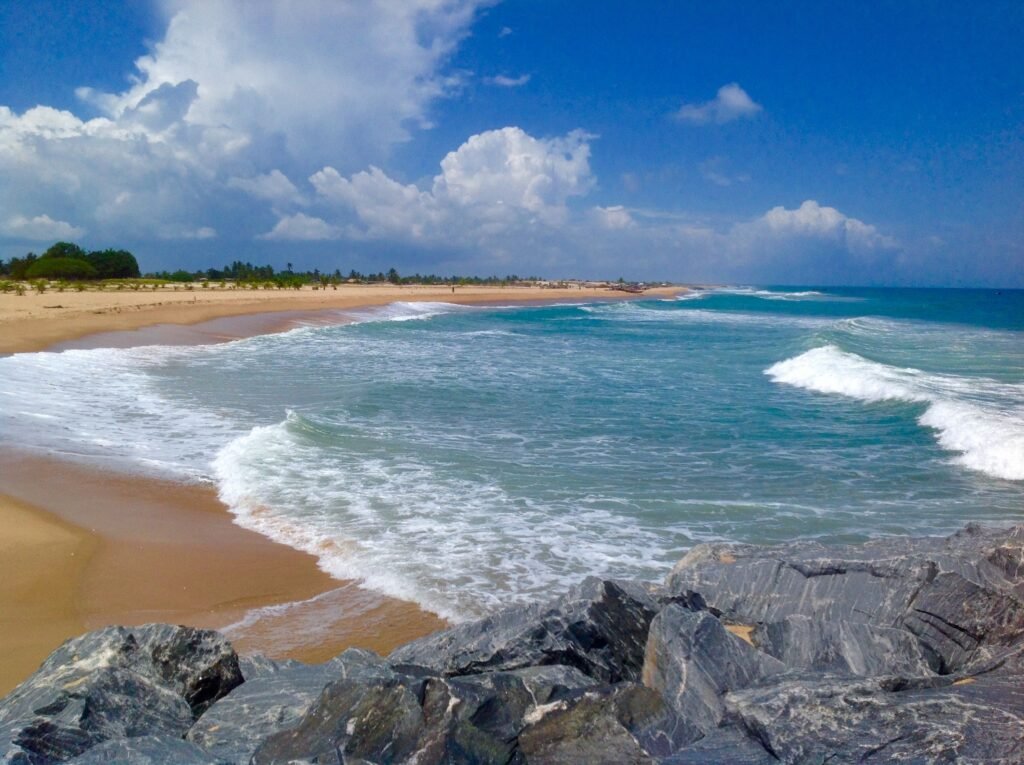
Keta Beach/Leklebi Beach
Keta Beach / Keta Lagoon Complex: Where the Sea Meets History and Erosion
Keta is a prominent coastal town located in the Volta Region, situated on a narrow, fragile strip of land separating the turbulent Atlantic Ocean from the enormous Keta Lagoon Complex (Ghana’s largest lagoon and a designated Ramsar Site).
The identity of Keta is one of resilience, cultural heritage, and a continuous battle against the sea. Unlike the active tourism of Busua, Keta is a place of serene, expansive natural beauty coupled with a deep, somber historical and environmental narrative.
Key Aspects:
Historical Serenity: The beaches themselves offer a quiet, reflective experience. They are known for their soft, long stretches of sand, ideal for sunrise walks and observing the local Ewe fishing culture. The coastline is directly overlooked by the historical Fort Prinzenstein, a former slave fort that anchors Keta’s historical significance.
The Lagoon Contrast: The experience is defined by the proximity of the Keta Lagoon, a vast wetland ecosystem. This area offers a complete contrast to the ocean—it is a haven for bird-watching, boat cruises through mangroves, and a core source of livelihood for the local population through fishing and salt harvesting.
The Environmental Narrative: Keta is internationally known for the devastating effects of coastal erosion and tidal waves. The construction of the Keta Sea Defence Project has protected the main town center, but the shifting sand dynamics have exacerbated erosion in the down-drift communities to the east. This creates an atmosphere where the forces of nature are always visible and ever-present, giving the destination a powerful, cautionary beauty.
In short, a visit to Keta is a powerful blend of tranquil beach escape, vital wetland exploration, and a humbling look at a community bravely facing down the forces of a changing coast.
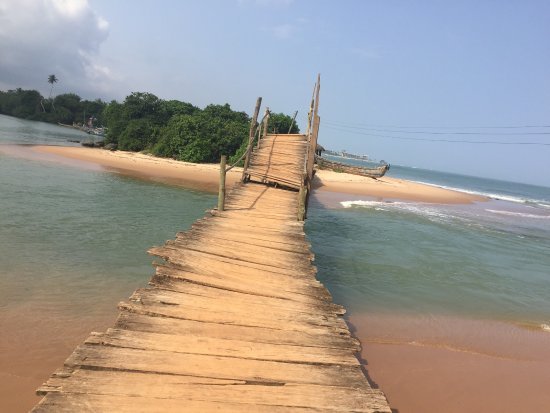
Busua Beach
Located in the Western Region, Busua Beach is widely celebrated as having some of the most picturesque, naturally beautiful, and well-maintained sands in all of Ghana. Its setting is classic tropical paradise: wide, honey-colored beaches fringed with endless palm trees, offering a distinct contrast to the busy cultural centers further east.
The primary identity of Busua is defined by the ocean itself, establishing it as the premier surfing destination in the country. The consistent, powerful waves are ideal for all skill levels, and the presence of the Ghana Surf Club means lessons, gear rentals, and a supportive water-sports community are always available. This makes the atmosphere distinctly focused on relaxation, vacation leisure, and outdoor water adventure.
Beyond the waves, the area provides excellent opportunities for exploring. A favorite adventure is hiring a local boat for a short trip to nearby islands or secluded bays, such as exploring the well-preserved Fort Metal Cross in the neighboring fishing village of Dixcove, which offers commanding views of the coastline. Busua embodies a truly tranquil, resort-style holiday, prioritizing pristine natural beauty and accessible ocean activities far removed from the urban energy of Accra or the historical intensity of the Central Region.
There are no reviews yet.