- Overview
- Trip Includes
- Trip Excludes
- Gallery
- Reviews
- FAQ
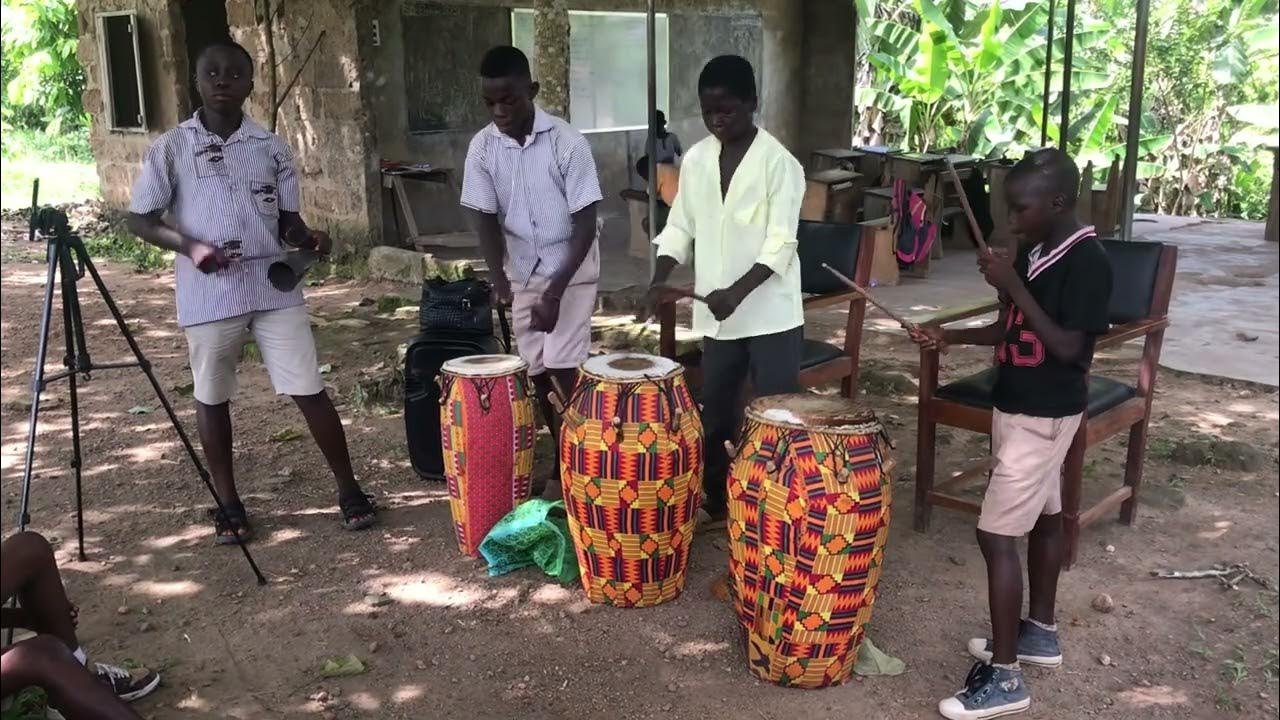
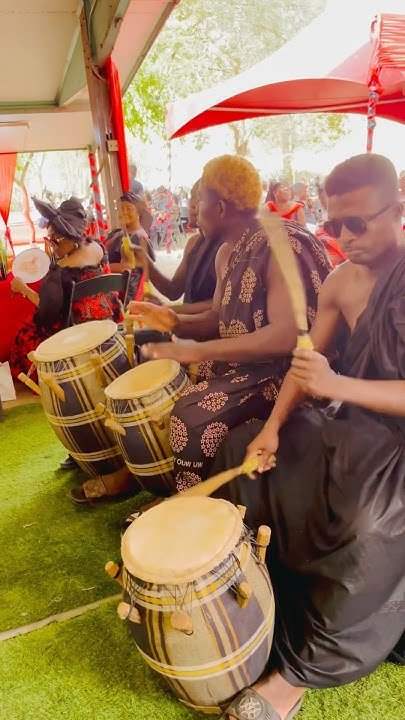
Kete Drumming is one of Ghana’s most prestigious traditional drumming and dance forms, deeply rooted in Akan royal traditions, particularly among the Ashanti people. It is regarded as a court music ensemble, performed mainly during festivals, funerals of chiefs, durbars, and other royal or state occasions. The ensemble usually includes different types of drums, a bell, and sometimes a rattle, each playing a unique role to create interlocking rhythms.
Beyond music, Kete carries cultural and social significance. The rhythms are often linked with proverbs, messages, and praises that communicate respect to chiefs, ancestors, and the community. The accompanying dance is dignified and graceful, reflecting discipline, authority, and heritage. Unlike recreational drumming styles, Kete is closely tied to the institution of chieftaincy, meaning not everyone can perform it; it is reserved for skilled drummers and dancers with training in both the musical patterns and cultural meanings.
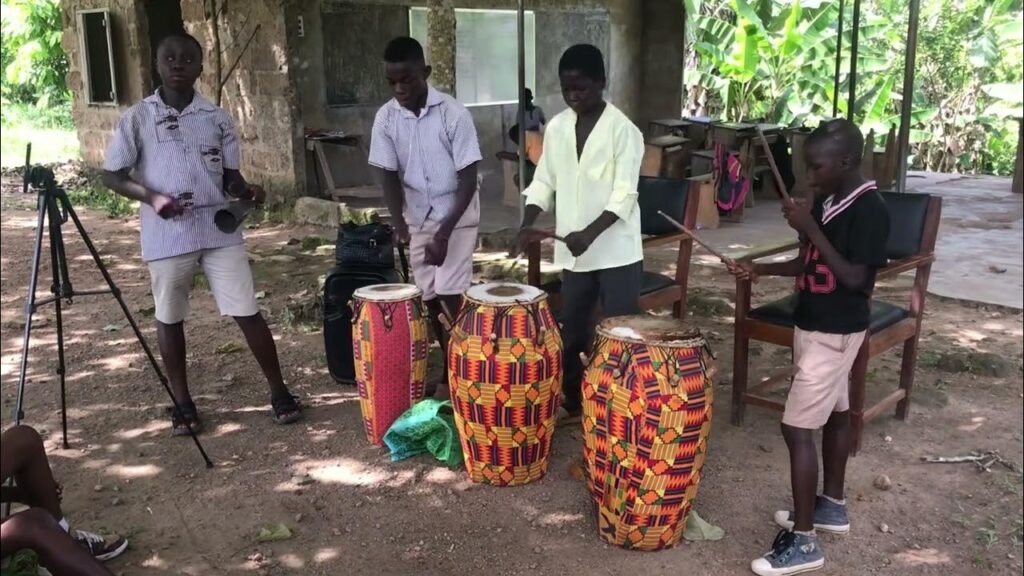
Today, while Kete remains a strong symbol of royal identity, it is also taught in cultural institutions and schools as a way to preserve Ghana’s rich musical heritage and to pass on values of unity, discipline, and respect for tradition.
Includes (Who can participate or be involved):
-
Royal drummers trained in the tradition, often from families with a drumming lineage.
-
Cultural groups and schools, where Kete is taught as part of heritage education.
-
Community members who attend ceremonies, festivals, or funerals as spectators and participants in the cultural experience.
-
Dancers and singers trained to accompany the drumming, especially during durbars and state functions.
-
Researchers, students, and cultural enthusiasts learning Kete for preservation and academic purposes.
Excludes (Who is restricted or limited):
-
Ordinary community members without training, as Kete requires mastery and is not played casually.
-
People outside the royal or traditional system may not perform Kete at sacred/royal events unless permitted.
-
Untrained drummers/dancers are excluded because wrong execution can be seen as disrespectful to the culture and ancestors.
-
Informal entertainment settings (like street games or casual gatherings), since Kete is considered sacred and prestigious, not recreational.
-
Women in certain roles, depending on tradition, may be excluded from playing some of the main drums (though they can dance or sing).
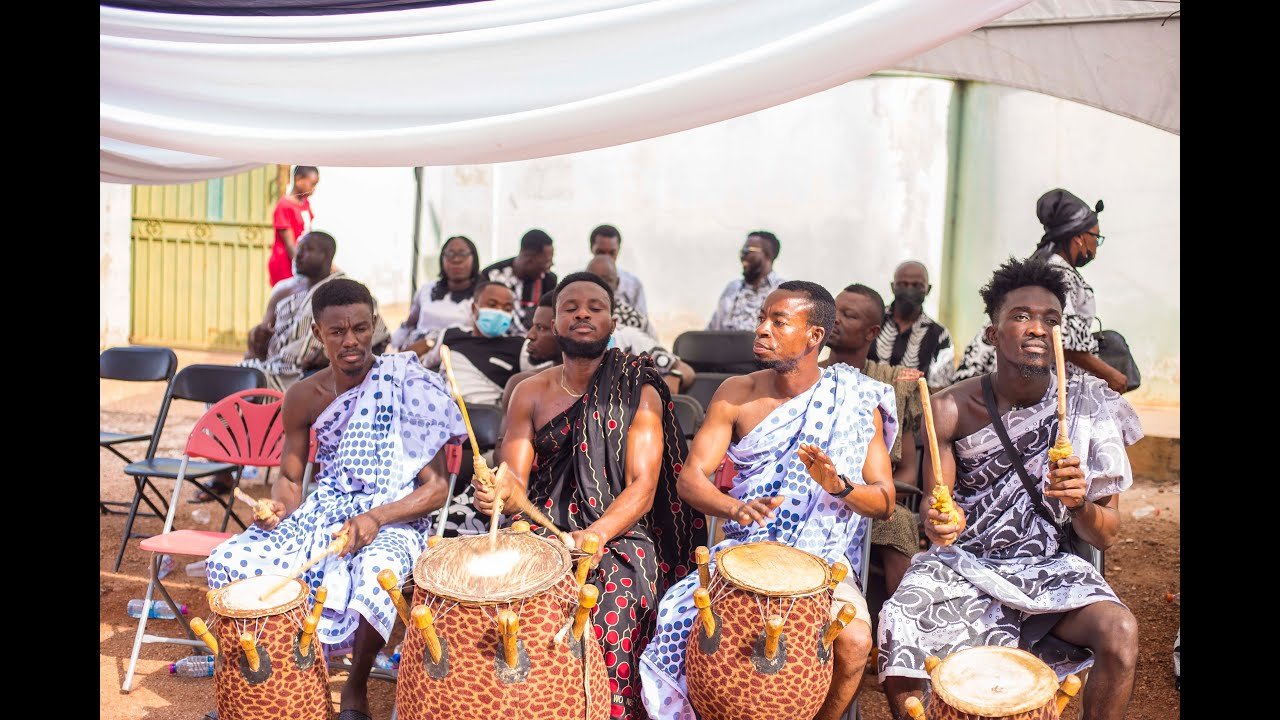
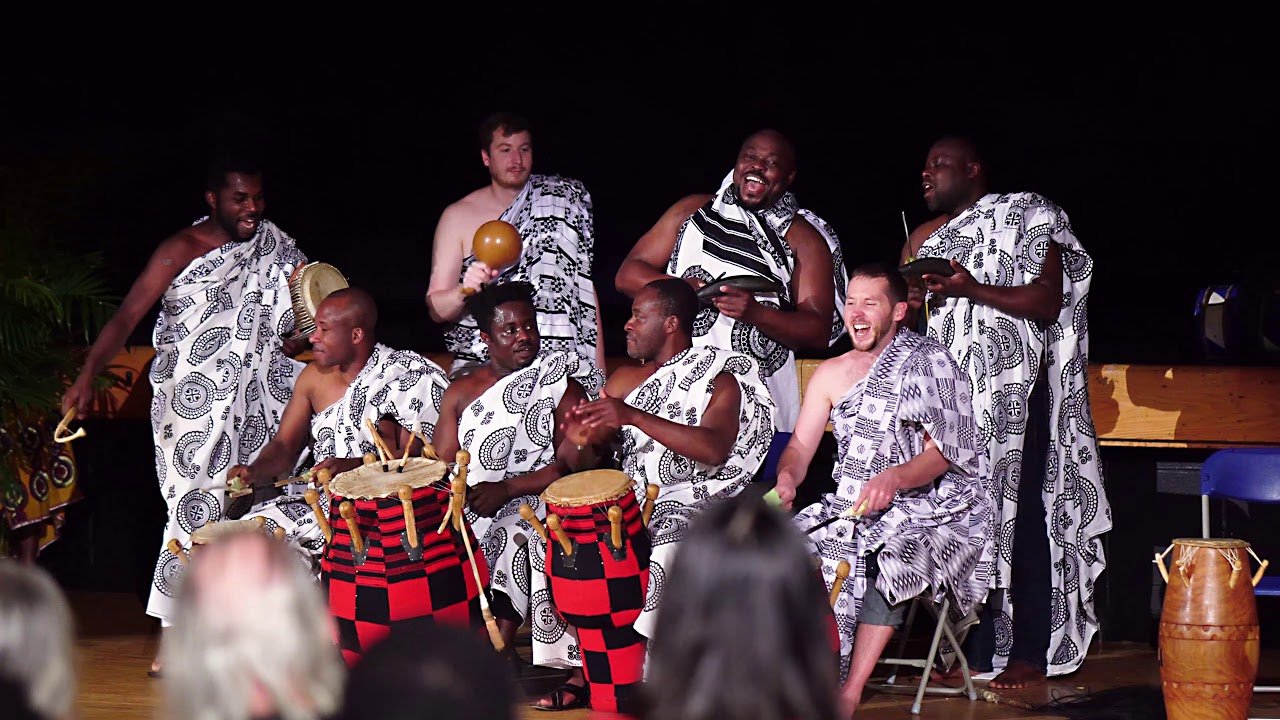
Kete Drumming is a traditional royal ensemble of the Akan people, especially the Ashanti, performed during festivals, funerals of chiefs, and other royal/state occasions.
It is performed by skilled traditional drummers, singers, and dancers, often from families or groups with a long history of drumming.
Kete symbolizes authority, unity, and respect. The rhythms often carry messages, proverbs, and praises directed at chiefs, ancestors, and the community.
No. Unlike recreational drumming, Kete requires special training and cultural knowledge. It is often reserved for royal drummers or cultural groups.
The ensemble includes different drums (master drum, support drums), a bell, and sometimes a rattle, all combining to create interwoven rhythms.
Traditionally yes, but today Kete is also performed in schools, universities, and cultural festivals as a way of preserving heritage.
Women often serve as singers and dancers in Kete performances, though in many traditions they are excluded from playing the main drums.
Unlike recreational drumming (e.g., Kpanlogo or Adowa), Kete is sacred and tied to chieftaincy. It carries messages of authority and is not performed casually.
You can see Kete during royal durbars, traditional festivals, funerals of chiefs, and cultural events in Ashanti and other Akan regions, as well as in academic institutions.
It preserves Ghana’s royal traditions, teaches cultural values, and connects present generations to their ancestral heritage.
There are no reviews yet.