- Overview
- Trip Includes
- Trip Excludes
- Gallery
- Reviews
- FAQ
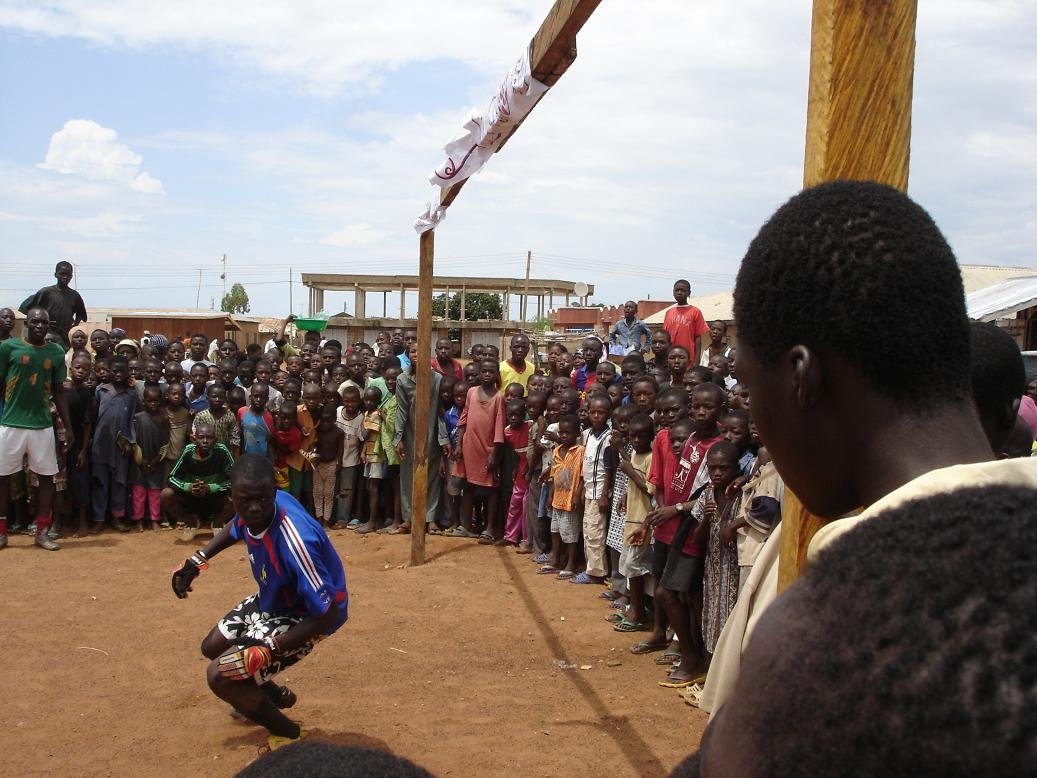
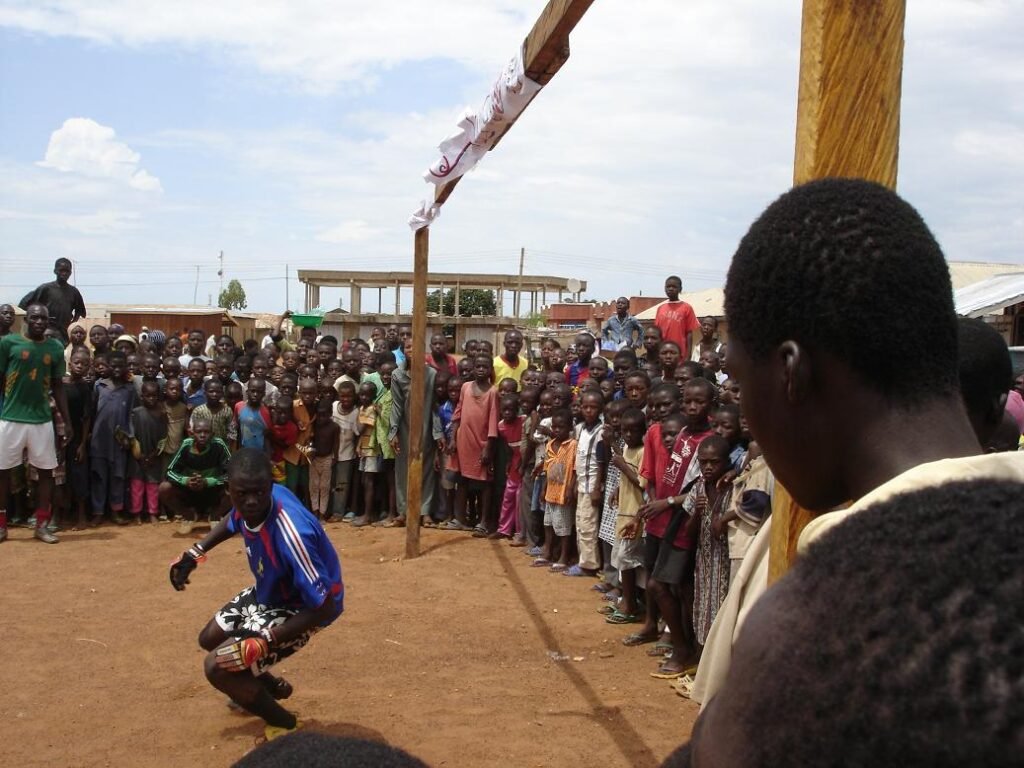
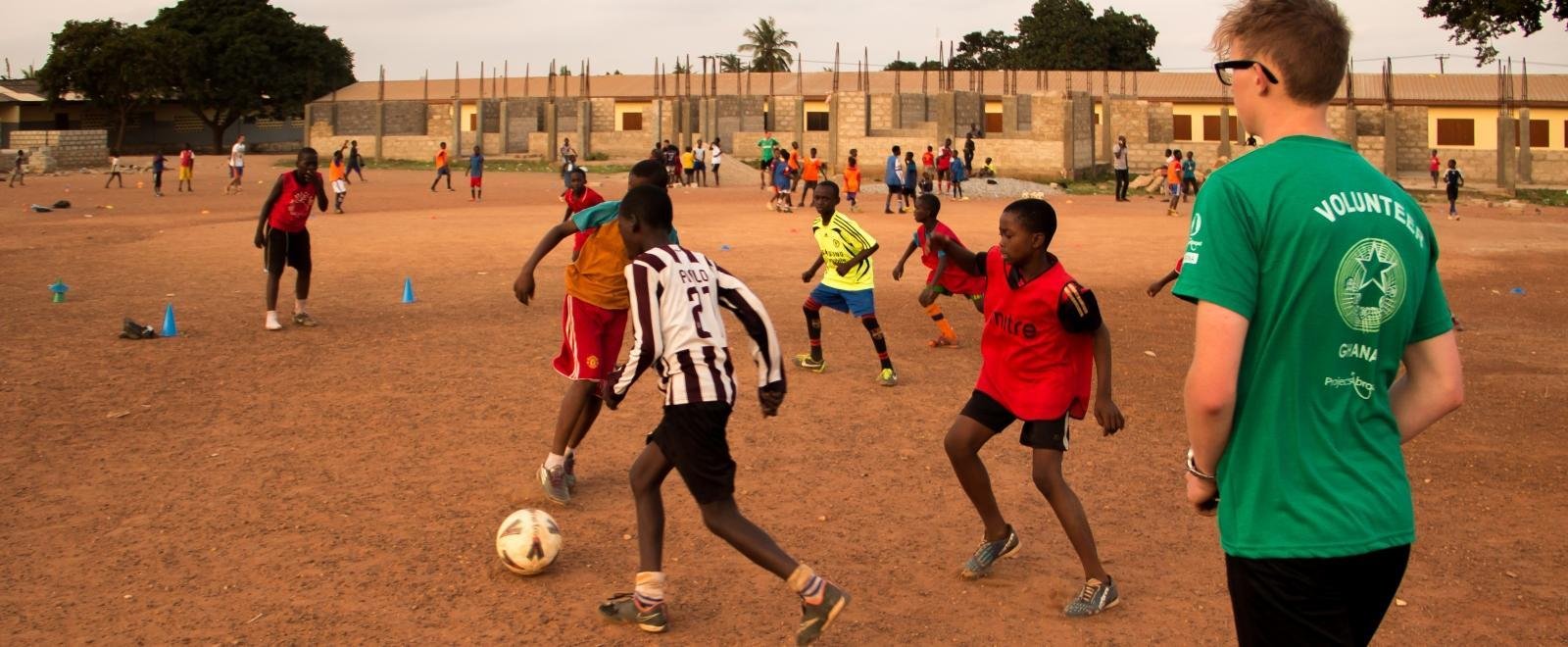
Football is the most popular and influential community game in Ghana, enjoyed by children, youth, and adults alike. It is more than just a sport—it is a social and cultural activity that unites people across different communities. Played on school fields, neighborhood parks, and even on dusty streets or beaches, football is accessible to everyone. Many times, the game is improvised with plastic bags rolled into a ball or stones used as goalposts, proving how creativity keeps the game alive even in less privileged areas.
As a community game, football serves as a platform for recreation and relaxation, allowing people to release stress and have fun. It fosters friendships, teamwork, and cooperation, since players must rely on one another to succeed. In addition, it builds discipline and leadership skills, especially among young people. Community football matches often draw large crowds, turning ordinary games into exciting social gatherings filled with cheering, drumming, and dancing.
Beyond entertainment, football also plays a developmental role. Many of Ghana’s football legends, such as Abedi Pele, Asamoah Gyan, and Michael Essien, first discovered and nurtured their talent through community games. This shows how grassroots football can provide opportunities for growth and inspire dreams of playing professionally. It also instills a sense of pride, as victories in local matches bring honor to neighborhoods, schools, or towns.
In essence, football as a community game in Ghana is not only a pastime but also a powerful tool for unity, talent discovery, and cultural expression. It reflects the creativity, resilience, and passion of the Ghanaian people while reinforcing the role of sport in strengthening communities.
Includes ✅
-
Everyone regardless of age – Children, youth, and adults often play together.
-
Improvised materials – Even without proper footballs or goalposts, communities use plastic bags, socks, or stones to create the game.
-
Spectators – Community members, including those not playing, gather to cheer, sing, and drum, making it a shared activity.
-
Unity and social bonding – Football welcomes different groups (friends, classmates, neighbors) and fosters peace.
-
Talent discovery – Young players who show skill are encouraged, supported, and sometimes connected to bigger opportunities.
-
Limited participation for girls/women – Although changing today, community football is often male-dominated, leaving fewer opportunities for females.
-
Those without physical ability – People with disabilities or health limitations may be excluded from active play, though they can still participate as spectators.
-
Access to proper facilities – Poor communities without fields or equipment are excluded from enjoying football at a higher, organized level.
-
Conflict and favoritism – Sometimes disputes over fairness, team selection, or bias can exclude certain individuals.
-
Economic barriers at higher levels – At the professional stage, lack of resources can exclude talented community players who cannot afford boots, kits, or travel.
Football is loved because it is simple, affordable, and can be played anywhere. It also brings people together, entertains communities, and inspires many young people.
Matches are played in open spaces such as school fields, community parks, dusty streets, beaches, and sometimes even between houses in neighborhoods.
A ball is the main requirement. Often, improvised balls made from plastic bags or socks are used. Stones, sticks, or sandals can serve as goalposts.
Anyone—children, youth, and adults—can join. Although mostly played by boys, girls also take part, especially in schools and organized matches.
It fosters unity, builds teamwork, develops talent, provides recreation, and strengthens social bonds. It also keeps young people active and engaged.
Yes. Challenges include limited opportunities for girls, lack of proper facilities, injuries from rough play, and disputes during matches.
Absolutely. Many Ghanaian stars, like Asamoah Gyan and Abedi Pele, started by playing community football before being scouted into professional teams.
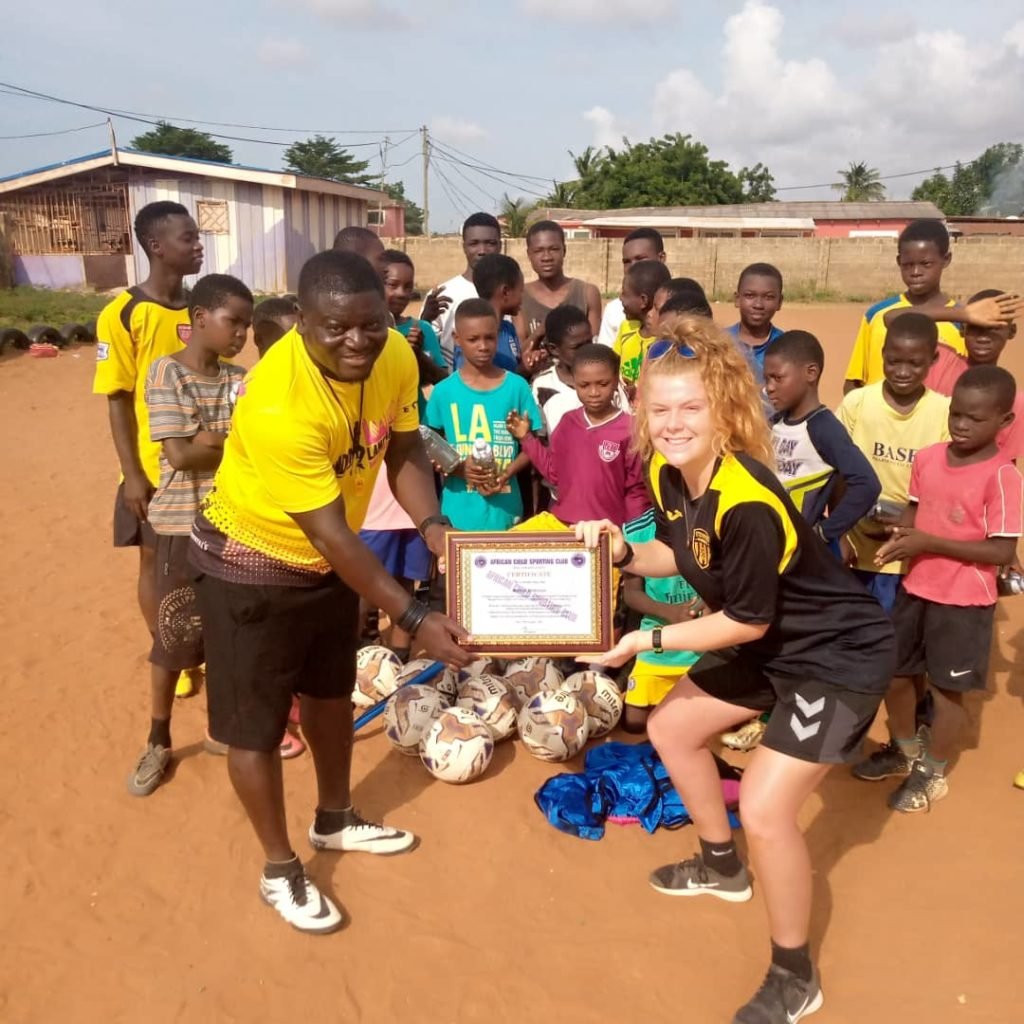
By gathering as spectators, cheering, drumming, and encouraging young players. Sometimes local leaders or groups sponsor matches and provide kits or balls.
There are no reviews yet.