- Overview
- Trip Includes
- Trip Excludes
- Gallery
- Reviews
- FAQ
Overview of Adowa Drumming & Dance in Ghana
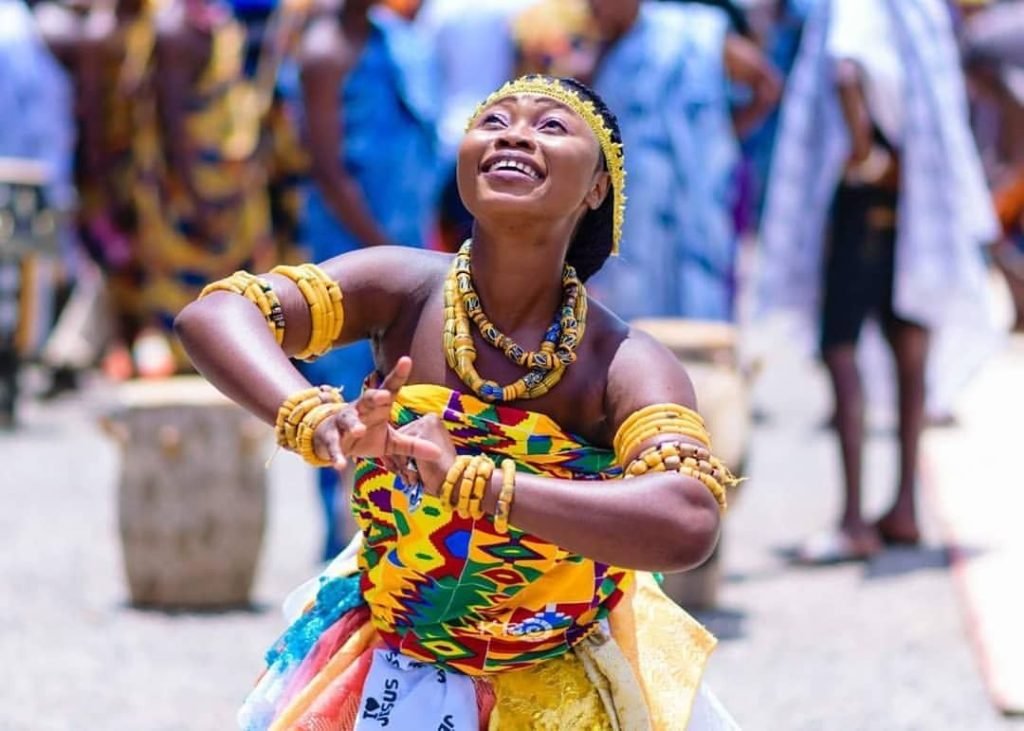
Adowa Drumming and Dance is one of the most popular and widely practiced traditional art forms in Ghana, especially among the Akan people. Originating from the Ashanti and Akuapem, Adowa is often performed at funerals, festivals, and community gatherings. It serves as both a cultural expression and a medium of communication, where drumming patterns and dance gestures symbolize emotions such as sorrow, joy, unity, or respect for the dead and the living.
The Adowa ensemble consists of several instruments, including the atumpan (talking drums), support drums, a bell, and a rattle. These combine to create rhythmic patterns that guide the dancers. The accompanying songs, usually led by women, add a lyrical layer to the performance, reinforcing the messages and atmosphere of the event.
Unlike Kete, which is mainly tied to royalty, Adowa is inclusive and community-centered, allowing broad participation from both men and women. The dance steps are graceful and symbolic, with hand and body movements used to “speak” nonverbally to the audience.
Today, Adowa continues to play a central role in Ghanaian life, functioning as a cultural bridge between generations. It is not only performed at traditional ceremonies but also taught in schools and showcased at national and international festivals, ensuring its preservation as part of Ghana’s cultural heritage.
Includes (Who can participate or be involved):
-
Men and women of all ages, as Adowa is more inclusive than some royal forms.
-
Lead singers (often women) who guide the songs during performances.
-
Drummers trained in the rhythms of Adowa (atumpan, support drums, bell, rattle).
-
Community members at funerals, festivals, and gatherings as dancers or spectators.
-
Cultural groups, schools, and universities, where Adowa is taught as part of heritage education.
-
Performing artists and cultural ambassadors who showcase Adowa at national and international events.
Excludes (Who is restricted or limited):
-
Untrained drummers or dancers, since the rhythms and movements require cultural knowledge and skill.
-
People unfamiliar with the traditions, as wrong execution can distort meaning (e.g., hand gestures carry specific symbolic messages).
-
Certain formal/religious settings, where traditional drumming and dance may not be accepted.
-
Very young children, who may not yet have the discipline or understanding of the symbolic messages in the performance.
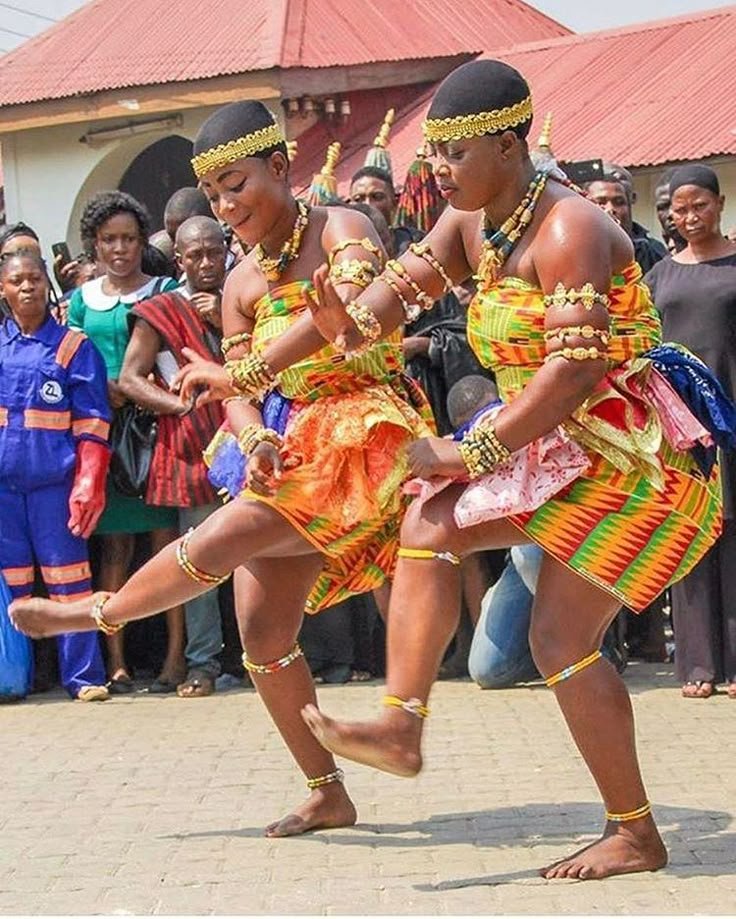
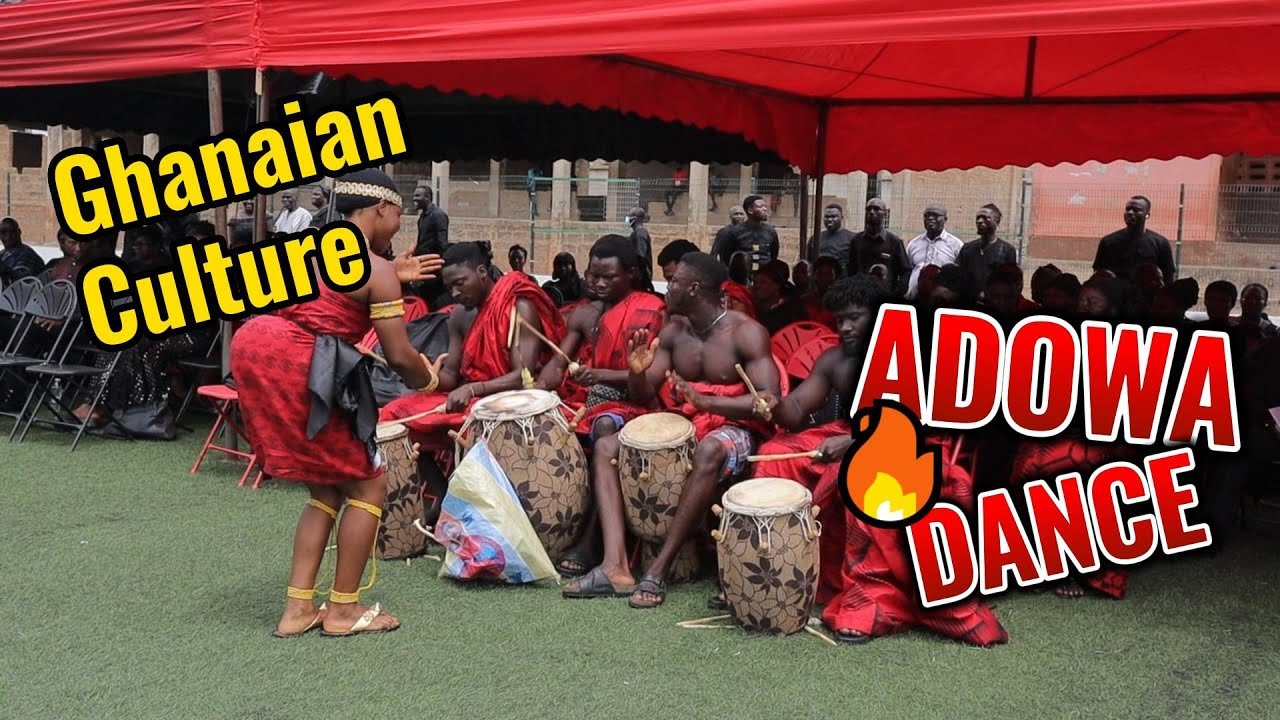
Adowa is a traditional dance of the Akan people of Ghana, often performed during festivals, celebrations, and important social gatherings. It uses expressive hand gestures and rhythmic drumming to tell stories and convey emotions such as joy, sorrow, or unity.
Performances are often held at cultural centers, community grounds, or heritage event spaces in Accra and other major towns. Some tours also include live Adowa showcases in local villages for an authentic experience.
A typical Adowa performance lasts between 30 to 60 minutes, depending on the event package and level of interaction (e.g., if guests are invited to participate).
Yes! Guests are warmly encouraged to take part in simple Adowa dance steps or drumming sequences under the guidance of the performers. It’s a fun, cultural, and inclusive experience.
Light, comfortable clothing is recommended. Since the event may include dancing or outdoor settings, casual attire with breathable fabrics is ideal. Some tours may offer traditional Ghanaian cloths for guests to wear as part of the experience.
Photography is generally permitted for personal use. However, professional or commercial recording may require prior approval or an extra fee, depending on the organizers.
It’s more than just a dance — it’s a vibrant cultural expression that reflects the values, communication style, and artistic heritage of the Akan people. The energy, rhythm, and symbolism make it one of Ghana’s most captivating traditional performances.
There are no reviews yet.